
National Archives vs. State Archives: Where to Search First
Federal and state archives each hold distinct records. Learn the difference and decide which repository is the right starting point for your research.
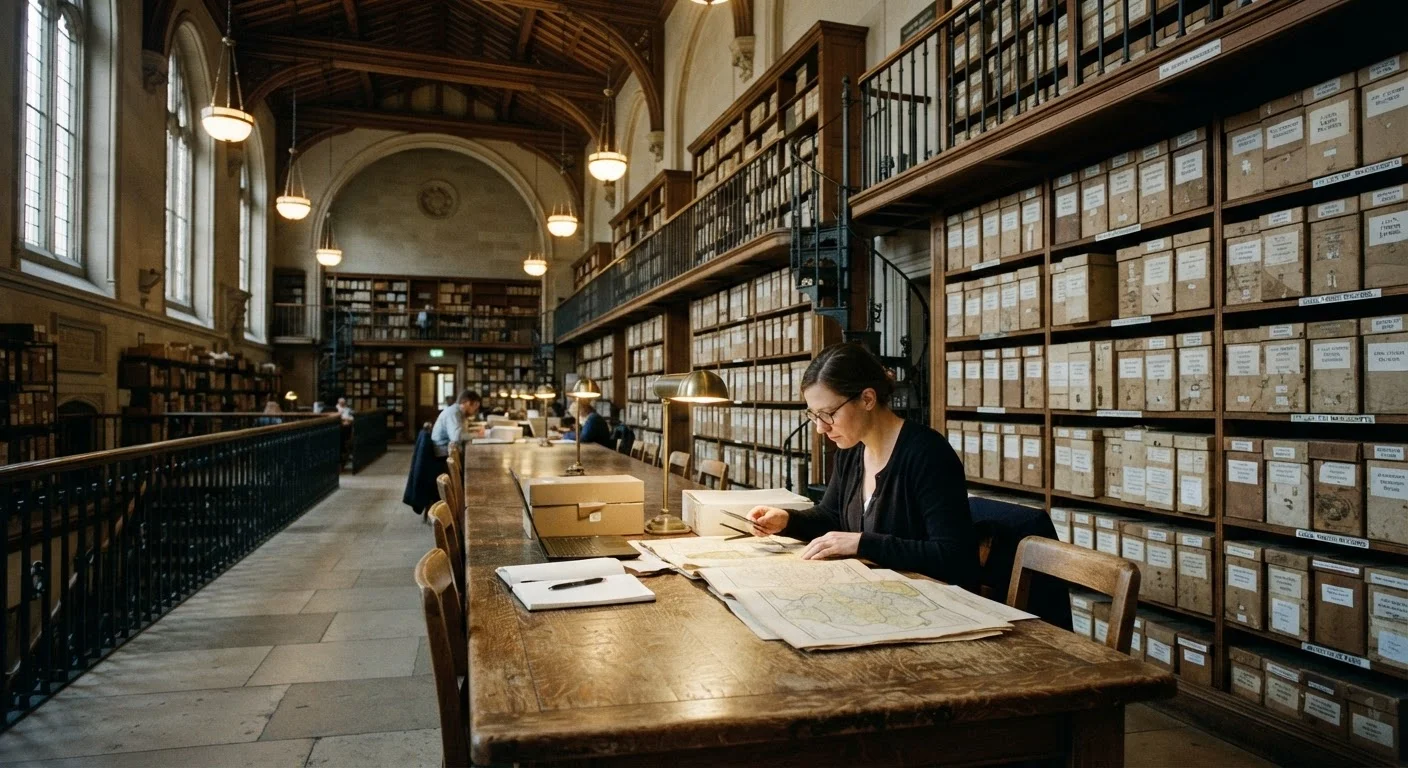
Photo: searchopenrecords editorial
—— In This Article
Key Takeaways
- NARA holds records generated by federal agencies, including military files, census schedules, and naturalization papers.
- State archives hold records produced by state and local governments, such as birth certificates, wills, and deeds.
- The correct starting point depends entirely on which level of government created the record you need.
- Many records exist at both levels in different forms — census originals at NARA, state-mandated vital records locally.
- Most NARA records are accessible online or by mail request; state archive access policies vary significantly by state.
Understanding the Core Distinction
The single most important principle in archive research is this: records are held by the government body that created them. The United States operates two largely parallel record-keeping systems — federal and state — and conflating them is the most common reason researchers waste time searching in the wrong place.
NARA (the National Archives and Records Administration) preserves records generated by agencies of the federal government. These include military service and pension files, decennial census schedules, passenger arrival manifests, federal land patent records, and naturalization documents processed by federal courts. NARA operates a main facility in Washington, D.C., a National Personnel Records Center in St. Louis, and a network of regional facilities across the country, many of which hold records specific to their geographic area.
State archives preserve records created by state legislatures, state courts, state agencies, and — critically — county and municipal governments that derive their authority from the state. Vital records (births, marriages, deaths), probate files, deed books, state-level court documents, and tax lists all fall into this category. Access policies, digitization levels, and finding aids vary considerably from one state to the next. If you're just beginning, the guide to starting with historical archives can help you orient yourself before your first research session.
What Each Repository Actually Holds
| Criterion | NARA (Federal) | State Archives |
|---|---|---|
| Federal census schedules | Yes — 1790 through 1940 | State censuses only |
| Military service & pension records | Yes — all major conflicts | State militia records only |
| Passenger arrival manifests | Yes | No |
| Naturalization records | Federal court filings | State court filings pre-1906 |
| Vital records (birth, marriage, death) | No | Yes — state and county level |
| Probate and will records | No | Yes — county level |
| Land patents (first title) | Yes — federal land states | State-land states only |
| Deed and property transfer records | No | Yes — county deed books |
The table above maps the most common genealogical record types to the repository most likely to hold the original. A few important nuances are worth noting:
- Census records: NARA holds the original federal census schedules (1790–1940). Some states also conducted their own mid-decade censuses — those are held by state archives, not NARA.
- Court records: Federal courts (bankruptcy, citizenship, land disputes involving federal territory) produced records now at NARA. State courts generated records preserved at state or county archives. The guide to federal vs. state court records explains those distinctions in depth.
- Land records: Original federal land patents (first transfer from the government to a private citizen) are at NARA. Subsequent private-to-private sales are documented in county deed books held by state or county archives.
How to Decide Where to Search First
Rather than guessing, ask a simple diagnostic question: Which level of government would have required or recorded this event? Births, deaths, and marriages were regulated by states and counties. Military service was federal. Immigration was processed by federal authorities. Property ownership after initial patent was a county matter.
A practical workflow for most family historians is to begin with NARA's federal census records to establish where an ancestor lived, then pivot to the relevant state archive for county-level detail. Many state archives publish their holdings online through portals such as state library websites or consortium databases, so check availability before planning a physical visit. Preparing a research checklist before you open any database will help you focus your sessions and avoid dead ends.
For obituary research specifically, state and county archives often hold newspapers and institutional records that aren't indexed online — see the overview of public archives as obituary research hubs for a practical breakdown of what those collections typically contain.
Practical Access: Online, by Mail, and In Person
NARA has digitized a substantial portion of its most-requested genealogical records. Federal census images through 1940, many military pension files, and some passenger manifests are available through NARA's own catalog (catalog.archives.gov) at no charge. Requests for records not yet digitized — such as Official Military Personnel Files — can be submitted through NARA's online request portal, though processing times vary and some records were destroyed in a 1973 fire at the St. Louis facility.
State archive access is less uniform. Some states offer robust online databases; others require in-person visits or written requests with applicable fees. Contact the specific state archive before traveling — most publish detailed guides on their websites explaining which record series are available and what identification or documentation a requester must provide.
Whether you're exploring tracing your family roots from scratch or filling gaps in an existing tree, understanding which repository is responsible for which records will make every research session more productive.

Genealogy Search Editorial Team
Genealogy Search Editorial Team is the collective byline for our editorial team and contributor network. Articles published under this byline or an editorial pen name are researched, written, and reviewed according to our editorial standards for clarity, consistency, and independence before publication.
View author profile