
Obituary Records Explained: What They Contain and Why They Matter
Understand what obituary records include, where they originate, and why they're a valuable resource for family history and public research.
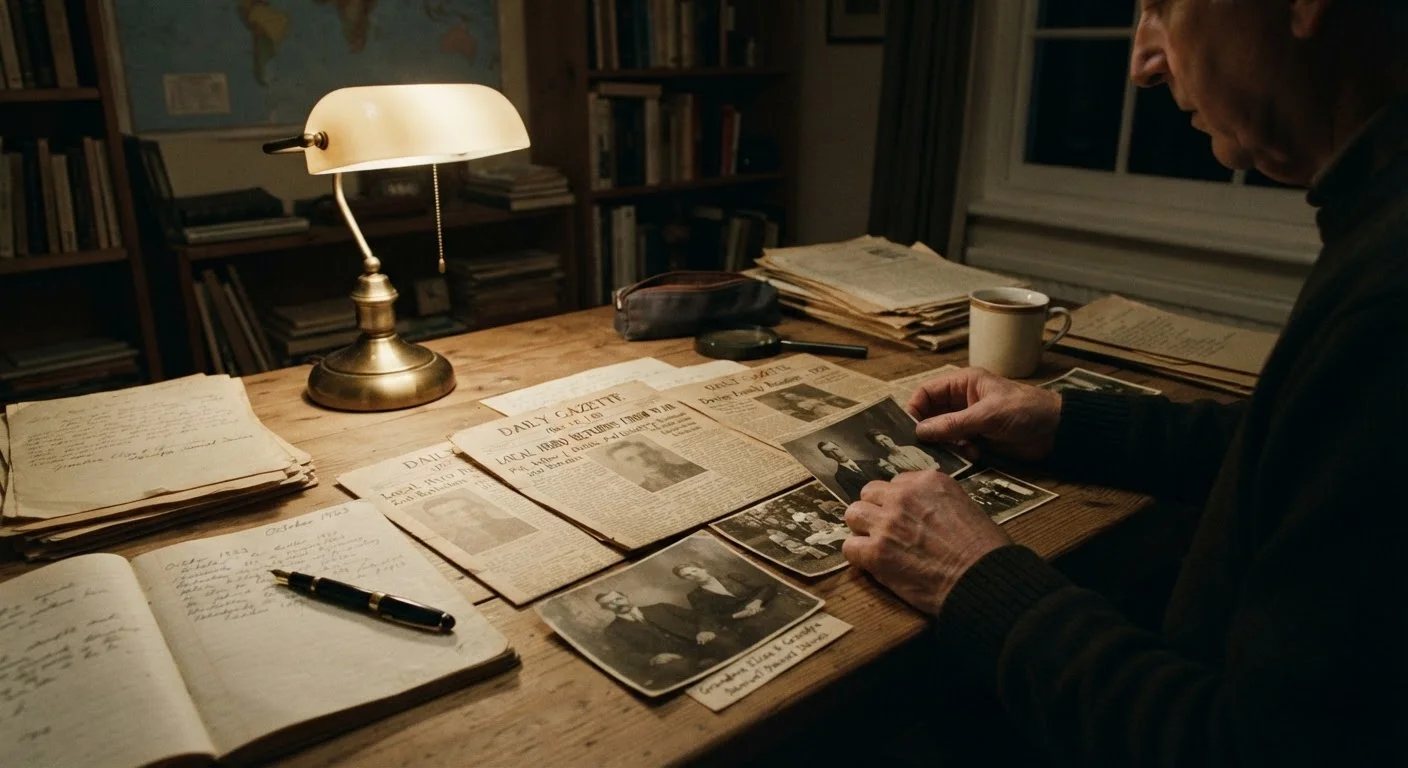
Photo: searchopenrecords editorial
—— In This Article
Key Takeaways
- Obituaries are prepared by families or funeral homes, not government agencies, so their facts are unverified.
- They typically contain biographical details, family relationships, and service information useful for genealogy.
- Newspapers, funeral home websites, and library archives are the most reliable free public sources.
- Obituaries complement — but do not replace — official records like death certificates and vital records.
- Gaps and omissions in obituaries are common; cross-referencing other public records fills in missing detail.
What an Obituary Record Actually Is
When a loved one dies, the people closest to them often write an obituary — a brief published notice that marks the passing and shares something of who that person was. These notices have appeared in American newspapers for centuries, and today they also live on funeral home websites, community memorial pages, and digital newspaper archives.
It helps to understand that obituaries are not official government documents. They sit alongside — rather than within — the formal public records system. A death certificate, issued and certified by a state vital records office, is the legal record of a person's death. An obituary is a family-authored narrative, submitted voluntarily and published at the family's discretion, often in exchange for a fee paid to the newspaper.
That distinction matters. Because obituaries are prepared privately, their facts are not independently verified. Names may be spelled differently than on legal documents, dates may be approximate, and some relatives may be listed while others are not. For researchers and families alike, understanding this context is the foundation for using these records well. See also our guide on common misconceptions about what obituaries must include.
What Obituary Records Typically Contain
Despite their informal nature, obituaries follow recognizable conventions. Most include a predictable set of core details — and understanding what each element offers is the key to using them effectively for research.
- Full name and nicknames: Often the most reliable field, though maiden names and middle names are included inconsistently.
- Dates and places of birth and death: Useful reference points, though birth years in particular may reflect family memory rather than verified records.
- Survivors and predeceased relatives: The survivors list is one of the most genealogically rich sections, naming spouses, children, siblings, and sometimes grandchildren — along with their locations.
- Career, education, and community ties: These details help place a person in historical and geographic context.
- Funeral home and service details: Identifying the funeral home can open a separate avenue of research, as many homes maintain their own records.
For a deeper look at how each section functions as a research tool, our guide on the anatomy of an obituary walks through every part in detail.
Start With the Survivors List
When using an obituary for genealogy research, the survivors section is often the most information-dense part of the record. It frequently names spouses, children, siblings, and their current locations — each one a potential lead. Note every name listed, including those described as predeceased, as these can anchor earlier branches of a family tree.
Where to Find Obituary Records: Reliable Public Sources
Most readers searching for obituaries are working from a name, approximate dates, and a general location — and that's enough to get started with the right sources.
Public Library Newspaper Archives
Public libraries remain one of the most underused and most valuable gateways to historical obituaries. Many library systems provide free patron access to digitized newspaper databases — some reaching back to the 19th century. Physical microfilm collections at local branches often extend coverage even further. Your local library's reference desk can tell you exactly what's available and how to access it remotely.
The Library of Congress: Chronicling America
The Library of Congress hosts Chronicling America, a freely searchable database of historic American newspapers published between 1770 and 1963. It's an authoritative starting point for older obituaries, particularly for people who lived in smaller towns where only the local paper would have published a notice.
Funeral Home Websites
Contemporary obituaries — generally from the 1990s onward — are frequently published directly on funeral home websites and remain accessible for years after the original service. Searching for the funeral home that handled arrangements often yields a full obituary text.
State and County Historical Societies
Regional historical societies often maintain collections of local newspaper clippings and death notices that predate digital archiving. These organizations are especially valuable for rural communities or for records from papers that were never digitized.
140,000+
Historic newspaper issues in Chronicling America
The Library of Congress's Chronicling America project provides free public access to millions of pages from historic American newspapers spanning more than two centuries.
~50%
Deaths that result in a published obituary
Research on American death notices suggests roughly half of all deaths are marked by a published obituary, meaning gaps in the record are common and expected.
For a structured approach to searching across all these sources efficiently, see proven research habits for obituary searches.
Why Obituary Records Matter — and Their Limits
Obituaries matter because they capture human detail that official records rarely include. A death certificate records cause of death and date — an obituary records a life. For family history researchers, those narrative threads — the professions, the migrations, the community memberships — can guide the next stage of investigation.
They also matter because they're accessible. Unlike some vital records that require formal requests or proof of eligibility, most published obituaries are freely available to the public, whether through library databases or online archives.
But researchers should approach obituaries with clear eyes about their limitations. What an obituary records — and what it leaves out is a question worth sitting with before building too much on a single notice. Families sometimes omit estranged relatives, choose not to mention certain life events, or inadvertently record a date or name incorrectly. Cross-referencing with census records, vital records, and church documents is standard practice for any serious research.
Obituaries are a beginning, not an end. They open doors — and knowing where those doors lead is what good research is built on. Explore the broader context of these records through obituaries and family history resources, or learn more about how historical public records fit into family research.
This article is for informational and educational purposes only. Obituary records are not legally certified documents; consult official vital records offices or qualified professionals for legal or administrative matters.
Frequently Asked Questions

Obituary Search Editorial Team
Obituary Search Editorial Team is the collective byline for our editorial team and contributor network. Articles published under this byline or an editorial pen name are researched, written, and reviewed according to our editorial standards for clarity, consistency, and independence before publication.
View author profile