
Reverse Phone Lookup: A Complete Starting Point for Curious Adults
New to reverse phone lookup? This guide covers what it is, how it works, what to expect from results, and how to use it responsibly.
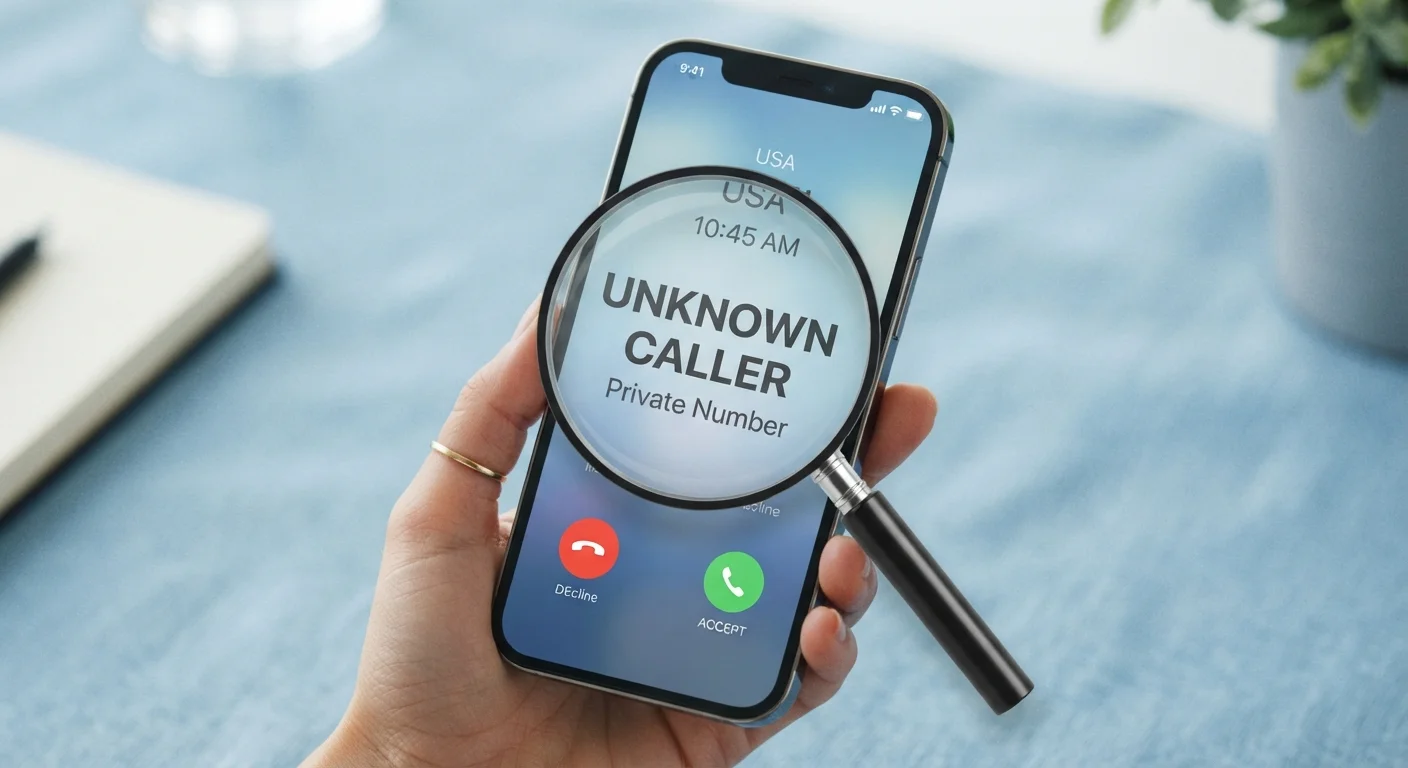
Photo: searchopenrecords editorial
—— In This Article
Key Takeaways
- Reverse phone lookup identifies the owner or origin of an unknown number using aggregated public data.
- Results vary significantly depending on whether the number is a landline, mobile, or VoIP line.
- Data sources include carrier records, voter rolls, court filings, and other publicly available records.
- Lookup results reflect what was publicly recorded — they may be outdated or incomplete.
- Legal use is governed by laws like the FCRA; always check permitted purposes before acting on results.
What Is a Reverse Phone Lookup?
A reverse phone lookup is a search method that takes a phone number as its input and returns information about the number's owner or origin — the opposite of looking up a phone number when you already know a name. Instead of starting with a person, you start with a number and work backward through public data to identify who or what is behind it.
People use this approach for a range of everyday reasons: confirming whether an unfamiliar missed call is from a business or a scam, reconnecting with a contact whose name they've forgotten, or verifying that a caller claiming to represent an organization is using a legitimate number.
It is distinct from caller ID, which shows whatever name the caller's carrier has registered — and which can be spoofed. A reverse lookup draws on aggregated records that go beyond what your phone screen displays.
Reverse phone lookup
A search that starts with a phone number and attempts to identify the associated owner or registration details using public records databases.
Caller ID spoofing
A technique that allows a caller to display a false name or number on the recipient's caller ID screen, making the displayed information unreliable.
VoIP number
A phone number assigned through an internet-based service rather than a traditional telephone carrier, often with less publicly available registration data.
FCRA
The Fair Credit Reporting Act, a US federal law that regulates how consumer information — including data from public records aggregators — may be collected and used.
Data aggregator
A service that compiles information from multiple public and semi-public sources into a single searchable database, which reverse lookup tools typically rely on.
How Reverse Phone Lookup Works
When you submit a number to a reverse lookup tool, the system queries a database compiled from multiple public and semi-public sources. These typically include carrier registration data, public directory listings, voter registration records, court and property filings, and other records that enter the public domain through government processes.
The tool matches the number against these records, attempts to associate it with a registered name or address, and returns whatever it finds. The depth of those results depends directly on how much publicly recorded information exists for that specific number.
To learn more about the underlying sources, see our article on the public data behind reverse phone lookups, which explains how carrier records, voter rolls, and other datasets are compiled into lookup results.
What Results Can — and Cannot — Tell You
A typical reverse lookup result may include a registered name, general geographic location (usually city and state), the carrier associated with the number, and the line type. In some cases, associated addresses or additional linked names appear if they are present in the public record.
What results generally cannot tell you: the content of calls or messages, real-time location, or information that was never part of any public record. Data is also not updated in real time — numbers change hands, people move, and databases take time to reflect those changes. This means a result showing a name may reflect a previous owner of the number rather than its current user.
Treat lookup results as a reasonable starting point for investigation, not as a confirmed identity. If you want a practical walkthrough of interpreting what you find, our step-by-step reverse lookup walkthrough covers exactly that.
Results Reflect the Public Record, Not Reality in Real Time
Reverse lookup databases are updated periodically, not continuously. A number that was reassigned six months ago may still show the previous owner's name. When accuracy matters — for example, before contacting someone — use results as a lead to verify through other means, not as a final answer.
Phone Number Types and Why They Matter
Not all phone numbers leave the same data trail, and this directly affects lookup results. Landline numbers are registered to a physical address through a local carrier, making them the most traceable. Mobile numbers are linked to the subscriber who signed up for the plan, though that subscriber's details are not all publicly available. VoIP numbers — assigned through internet-based services — vary widely; some are linked to real identities, while others are registered with minimal information. Prepaid numbers often carry the least publicly recorded data of all.
Understanding these distinctions helps calibrate expectations before you search. A landline returning a full name and address is a common outcome; a prepaid burner returning only a carrier name is equally expected. For a deeper look at how number categories shape lookup outcomes, see Understanding Phone Number Types or browse the Phone Number Types hub for related topics.
Using Reverse Lookup Responsibly
Reverse phone lookup tools operate within a legal framework. In the United States, the Fair Credit Reporting Act (FCRA) governs certain uses of personal data obtained through public records aggregators. Specifically, results from these tools may not be used as the basis for employment decisions, tenant screening, or credit determinations without following FCRA compliance requirements. Most lookup platforms are clear about these restrictions in their terms of service.
Beyond legal requirements, responsible use means verifying the accuracy of results before acting on them, not sharing third-party information carelessly, and recognizing that a result does not constitute proof of identity. If you are unsure whether your intended use is appropriate, our responsible use checklist provides a practical framework for evaluating your situation before you act.
Reverse phone lookup is a genuinely useful public records tool when applied with accurate expectations and appropriate care. Understanding what it is, how it works, and where its limits lie puts you in a far better position to use it well.
Frequently Asked Questions

Phone Lookup Editorial Team
Phone Lookup Editorial Team is the collective byline for our editorial team and contributor network. Articles published under this byline or an editorial pen name are researched, written, and reviewed according to our editorial standards for clarity, consistency, and independence before publication.
View author profile