
Running a Reverse Phone Lookup: A Step-by-Step Walkthrough
Follow this practical walkthrough to search an unknown number using public records tools, interpret results, and know when to dig further.
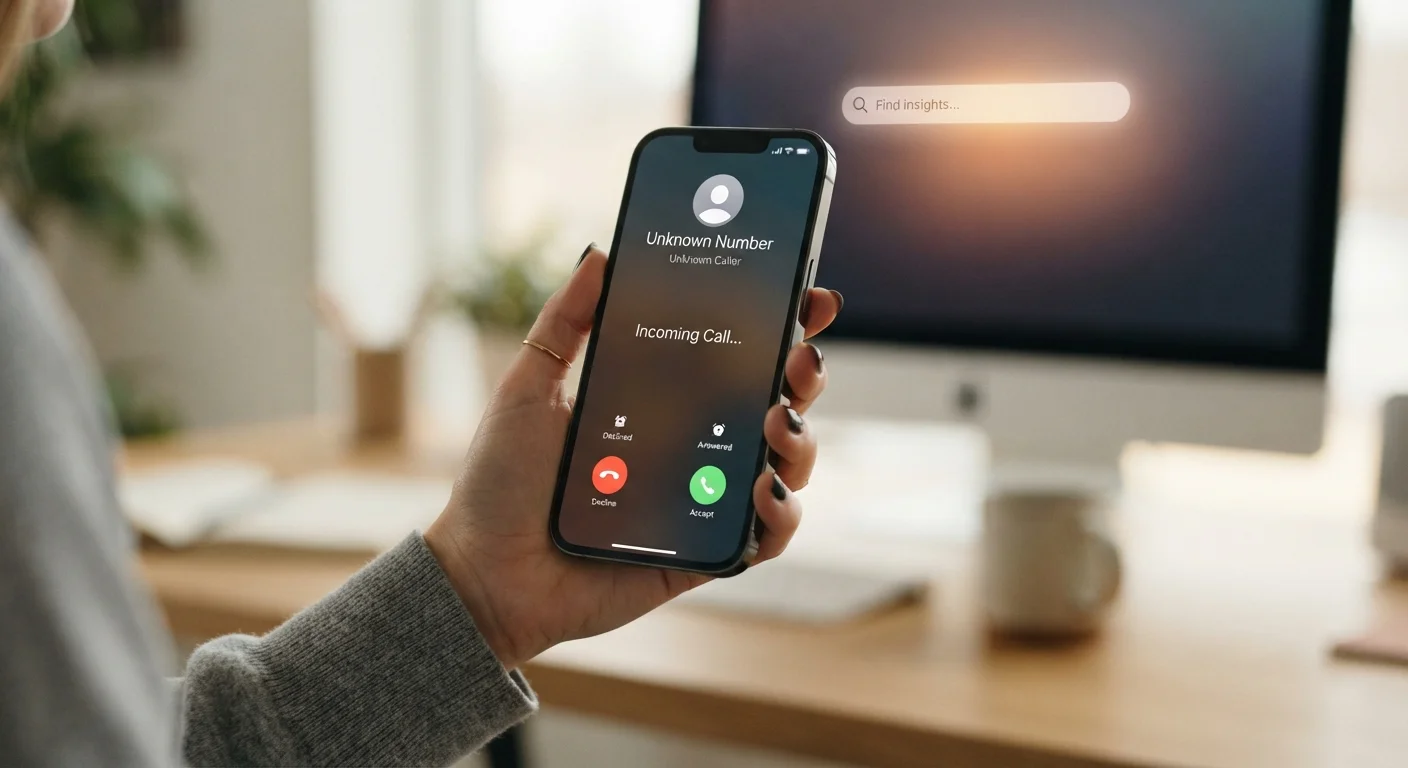
Photo: searchopenrecords editorial
—— In This Article
Key Takeaways
- Reverse phone lookup draws on publicly available records, carrier data, and aggregated databases to identify unknown numbers.
- Results vary by number type — landlines tend to return more data than VoIP or prepaid mobile numbers.
- Interpreting results accurately requires understanding what each data field means and where it comes from.
- A lookup result is a starting point, not a definitive identification — always verify before acting.
- Legal and ethical boundaries apply to how reverse lookup information can be used.
What You Are Actually Searching
Before running a lookup, it helps to understand what the search is actually querying. As explained in our overview of how reverse phone lookup works, these tools cross-reference a phone number against aggregated public records — including carrier registration data, voter rolls, property records, court filings, and self-reported directory listings.
The type of number you are searching significantly shapes what you will find. Landline numbers tied to a fixed address tend to return the most complete results. Mobile numbers may surface a name and general location, but carrier privacy policies limit deeper detail. VoIP and prepaid numbers — frequently used by telemarketers and scammers — often return minimal or no useful owner data. For a fuller picture of why these gaps exist, see our article on the public data sources behind reverse lookups.
What you will need
Step-by-Step: Running the Lookup
Follow these steps to conduct a reverse phone lookup and make sense of what you find.
Write Down the Full Number in E.164 Format
Before entering a number into any search tool, record it exactly as dialed, including the country code. For U.S. numbers, the format is +1 (XXX) XXX-XXXX. Stripping or mistyping digits is one of the most common reasons a lookup returns no results or returns results for the wrong number.
Choose an Appropriate Lookup Resource
Several categories of public-records tools support reverse phone lookup: general people-search databases, carrier lookup utilities (which identify the registered network), and specialized reverse-directory services. Each draws on different underlying data. No single tool has complete coverage, so you may need to try more than one. Understand that free tiers typically return only basic carrier and line-type data, while more detailed records — such as associated names and addresses — may require a paid query.
Enter the Number and Run the Search
Input the number in the format the tool requires — some accept the full E.164 string, others prefer a 10-digit format without country code. Submit the query and allow the tool time to retrieve records. Initial results usually appear within seconds, though some databases perform a deeper pull that may take longer.
Record and Evaluate What the Results Return
Note every field the result displays: registered name, line type (mobile, landline, VoIP), carrier, and associated location or address. Also record what is absent — missing fields are informative. A result with only a carrier name and a broad geographic region suggests either a mobile number with limited public data or a VoIP number with no registered identity, which is consistent with the real limits of tracing unknown numbers through public records.
Check Result Freshness and Cross-Reference
Look for any date stamps or data-update indicators the tool provides. If the result cites a name and address, consider whether that information could plausibly be current — people move, and numbers get reassigned. Cross-referencing against a second independent source before drawing conclusions is good practice. Our article on the strengths and limitations of reverse phone lookup covers in detail why corroboration matters.
Apply Appropriate Use Boundaries Before Acting
Reverse phone lookup results are governed by a combination of federal statutes — including the Fair Credit Reporting Act (FCRA) and the Driver's Privacy Protection Act — as well as state-level privacy rules. Using lookup data to make employment, credit, or housing decisions is legally restricted. Personal curiosity, safety verification, and fraud identification are the most common lawful purposes. For a thorough explanation of the legal framework, see our article on what the law says about reverse lookup and public records access.
Interpreting Results and Deciding Next Steps
A result showing a name, city, and carrier is not a confirmed identification — it is a data point. Public records can be outdated, reassigned, or simply wrong. Number reassignment is particularly common: a mobile number once held by one person may now belong to someone entirely different.
If the result feels incomplete, cross-referencing can help. Our guides on address lookup and email lookup outline how public records across different data types can be layered together for a more complete picture. Likewise, comparing reverse lookup tools with caller ID apps may help you choose the right approach for your specific situation.
If the number appears to be associated with spam or fraud activity, our walkthrough on reporting unwanted calls to the FTC and FCC explains how to escalate the matter to the appropriate authorities.
Treat Every Result as a Starting Point
Public records databases are not updated in real time, and phone numbers can be reassigned to new owners after accounts are closed. A name returned by a lookup reflects historical data, not necessarily the current subscriber. Build your confidence in a result by verifying it against at least one additional independent source before drawing firm conclusions.
Before acting on any result — whether that means calling back, sharing the information, or making a judgment about a person — review our responsible use checklist for reverse lookups. It covers accuracy verification, privacy considerations, and permitted purposes under U.S. law.

Phone Lookup Editorial Team
Phone Lookup Editorial Team is the collective byline for our editorial team and contributor network. Articles published under this byline or an editorial pen name are researched, written, and reviewed according to our editorial standards for clarity, consistency, and independence before publication.
View author profile