
Reporting Unwanted Calls: A Practical Walkthrough for U.S. Residents
Step-by-step guidance on reporting spam and scam calls to the FTC, FCC, and your state attorney general—and what happens after you do.
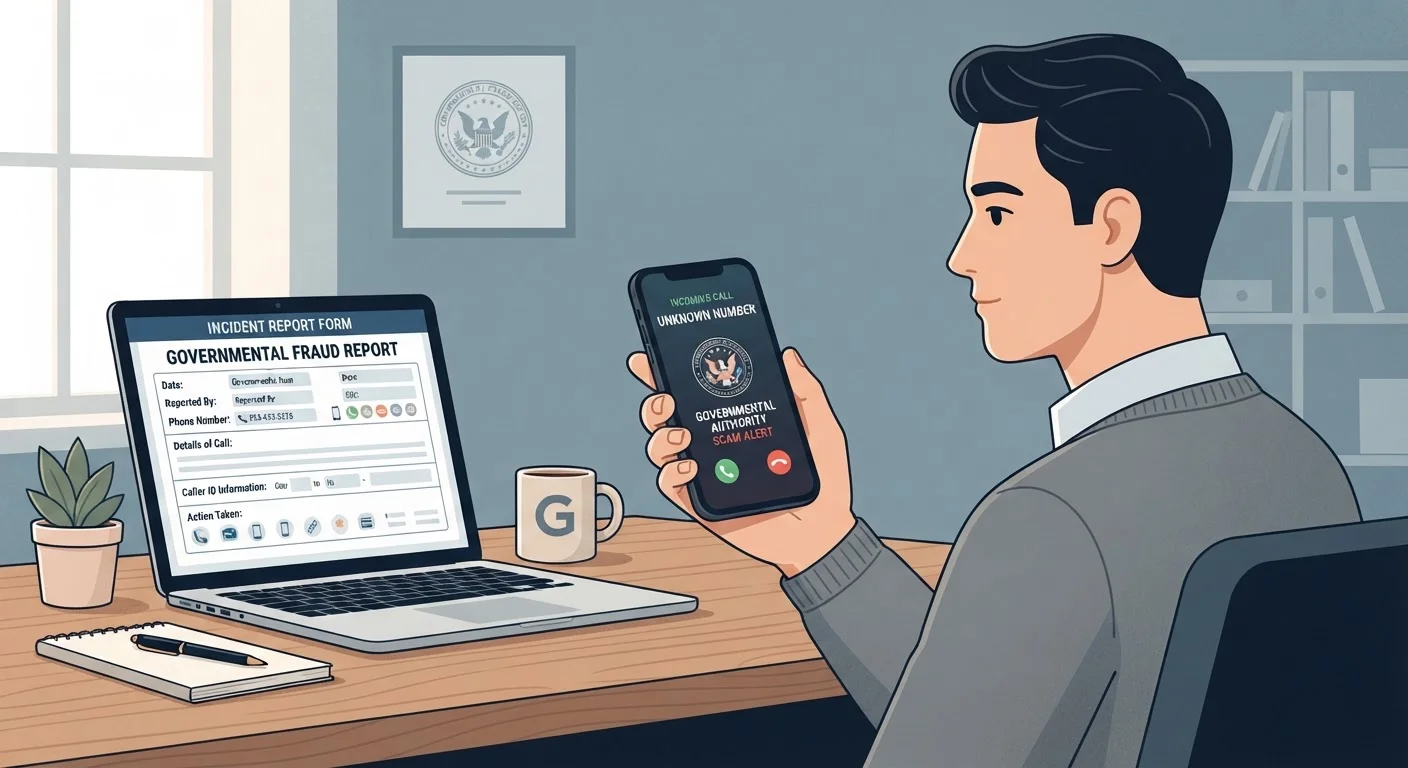
Photo: searchopenrecords editorial
—— In This Article
Key Takeaways
- The FTC's ReportFraud.ftc.gov is the primary federal portal for reporting scam and unwanted calls.
- The FCC handles Do Not Call Registry violations and carrier-level enforcement separately from the FTC.
- Your state attorney general's office can pursue local enforcement that federal agencies may not prioritize.
- Documenting the number, time, and caller script before filing significantly improves the value of your complaint.
- Individual reports rarely produce direct action, but complaint patterns across thousands of consumers drive enforcement.
- A reverse phone lookup can help confirm whether a number has a known scam history before you report.
Why Reporting Matters—and What to Realistically Expect
Filing a complaint about an unwanted or fraudulent call rarely produces a call back from a government investigator. That expectation, while understandable, isn't how the system works. What agencies actually use your report for is pattern analysis: when thousands of consumers report the same number, script, or caller behavior within a short window, enforcement attorneys have the evidentiary basis to pursue injunctions, fines, or criminal referrals.
The Federal Trade Commission (FTC) and Federal Communications Commission (FCC) both publish complaint data that researchers, carriers, and state prosecutors can access. Your single report becomes one data point in a larger signal. Understanding this helps you frame reporting as a civic contribution rather than a direct remedy—and it explains why documenting details carefully matters more than filing quickly.
Before reporting, consider running a quick search on the number. Our reverse phone lookup walkthrough explains how to check whether a number already has a scam flag or carrier record attached to it. That information can make your complaint more specific and credible.
Use the National Do Not Call Registry
If your number isn't already registered, visit DoNotCall.gov to add it. Legitimate telemarketers are legally required to scrub their calling lists against the registry every 31 days. Registration doesn't stop scammers—who ignore the law—but it does establish a legal baseline that strengthens any FCC or state AG complaint you later file.
Before You File: What to Document
The quality of a complaint depends on what you record. Spend two minutes noting the following before navigating to any reporting portal:
What you will need
If the caller used a spoofed number—meaning the displayed caller ID is fabricated—that's still worth reporting. Agencies track spoofed number ranges and can identify originating carriers through subpoena even when the displayed number is fake. For more on how scammers construct their targeting lists in the first place, see our article on how scammers find their targets.
Step-by-Step: Filing Your Reports
Report to the FTC at ReportFraud.ftc.gov
Navigate to ReportFraud.ftc.gov—the FTC's official complaint portal. Select the category that best matches your call (unwanted calls, impersonation scam, prize/lottery fraud, etc.). Enter the caller's number, date, time, and a factual description of what was said. Submitting personal financial loss details, if any occurred, flags the report for priority review.
File a Do Not Call or TCPA complaint with the FCC
Go to consumercomplaints.fcc.gov and select 'Phone' as the issue category, then choose 'Unwanted Calls' or 'Robocalls.' The FCC's jurisdiction covers carrier-level violations, Do Not Call Registry breaches, and TCPA violations involving auto-dialers or pre-recorded messages. Complete the form with the same number and call details you documented.
Submit a complaint to your state attorney general
Find your state AG's consumer protection complaint portal by searching your state name plus 'attorney general consumer complaint.' Most states have an online form. Select the telemarketing or phone fraud category and attach any notes or records you have. Some states also allow complaints via phone or mail if online submission isn't accessible.
Report to your wireless carrier
Most major U.S. carriers allow you to forward spam texts to 7726 (SPAM) and report fraudulent calls through their apps or account portals. Carrier-side reporting feeds into internal call-blocking systems and can result in the originating number being flagged or blocked across the carrier's network faster than a regulatory complaint would act.
Filing with all three channels—FTC, FCC, and your state AG—takes under 15 minutes total and maximizes the reach of your complaint. These agencies do not share a single complaint database, so submitting to each separately is worthwhile when the call involved fraud or an apparent Do Not Call violation.
Want to understand the specific tactics used in the call you received? Our breakdown of common scam call scripts can help you identify and name the tactic accurately when you fill out the complaint form.
After You Report: What Agencies Actually Do
Federal agencies do not investigate individual complaints or follow up with complainants in most cases. Here is what typically happens after submission:
- FTC: Reports feed into the Consumer Sentinel Network, a secure database accessible to more than 2,800 law enforcement partners. The FTC uses aggregated data to identify high-volume violators and pursue civil penalties under the Telemarketing Sales Rule (TSR) and the FTC Act.
- FCC: Complaint data informs rulemaking, carrier enforcement letters, and, in significant cases, formal investigations under the Telephone Consumer Protection Act (TCPA). The FCC has levied nine-figure fines against robocall operations, funded by complaint-driven targeting.
- State AG offices: State enforcement tends to be faster and more localized. Some states have enacted stricter telemarketing laws than federal minimums, giving state AGs additional enforcement tools. A complaint that falls below federal thresholds may still prompt state-level action.
Protecting yourself going forward also means examining the habits that make you a more visible target. Our article on common mistakes that help scammers covers the behavioral patterns that feed the cycle of unwanted calls.

Phone Lookup Editorial Team
Phone Lookup Editorial Team is the collective byline for our editorial team and contributor network. Articles published under this byline or an editorial pen name are researched, written, and reviewed according to our editorial standards for clarity, consistency, and independence before publication.
View author profile