
The Anatomy of a Scam Call: Recognizing the Script Before It Hooks You
Most phone scams follow a predictable script. Understand the pressure tactics, emotional triggers, and urgency cues used to manipulate callers.
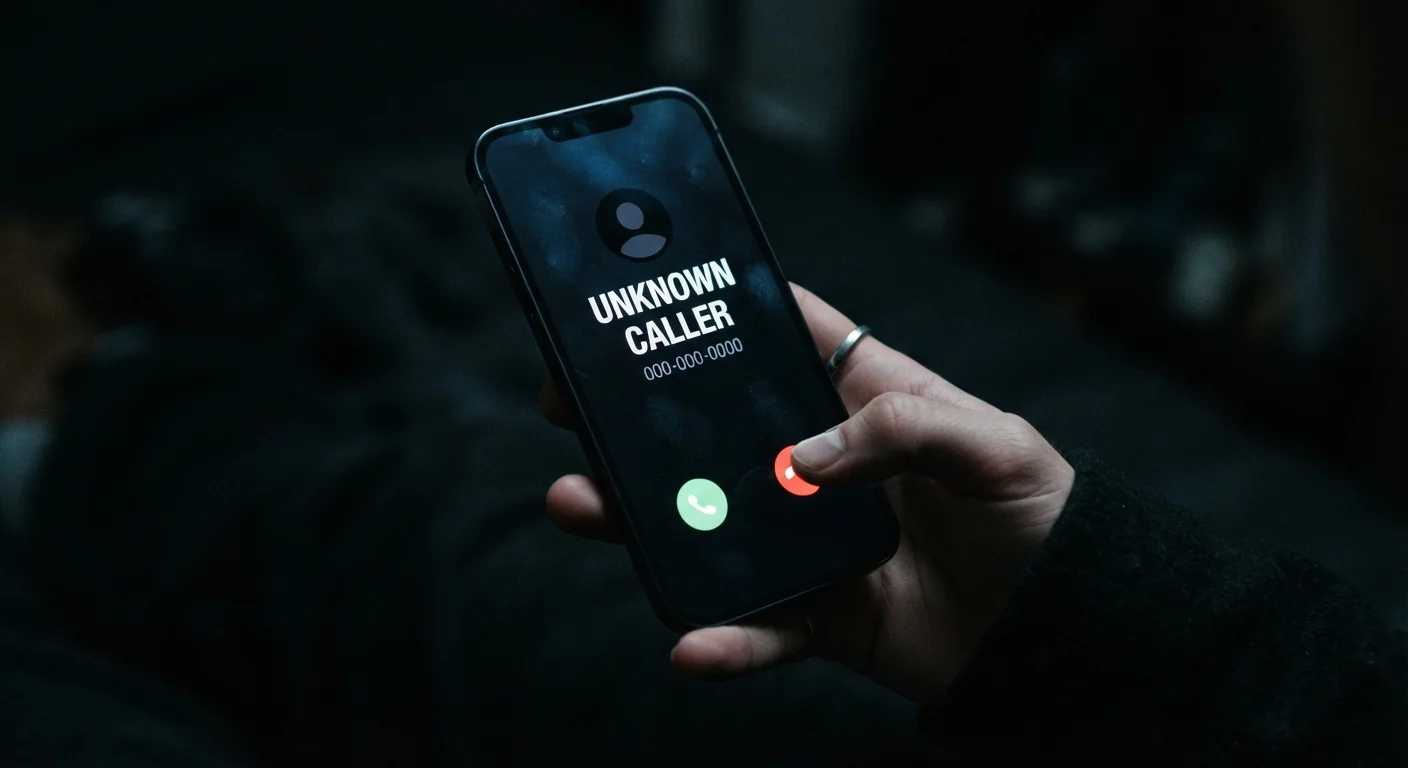
Photo: searchopenrecords editorial
—— In This Article
Key Takeaways
- Scam calls follow predictable scripts designed to bypass rational thinking with emotional pressure.
- False authority — impersonating agencies like the IRS or SSA — is the most common opening move.
- Artificial urgency is a deliberate tactic; legitimate institutions do not demand immediate action over the phone.
- Isolation requests ('don't tell anyone') are a near-universal red flag in phone fraud.
- Hanging up and independently verifying the caller's claimed identity is always the safest response.
- Reverse phone lookup tools can help confirm whether a number is associated with known scam activity.
Why Scam Calls Follow a Script
Phone scammers are not improvising. They operate from tested, refined scripts engineered to overwhelm your skepticism before you have time to think. These scripts have been iterated across millions of calls, and the tactics that survive are the ones that consistently work — not on gullible people, but on anyone caught off-guard.
Understanding that a script exists is the single most powerful defense you have. Once you recognize a tactic for what it is — a manipulation technique rather than a genuine emergency — its power collapses. This guide breaks down each phase of a typical scam call so you can identify it in real time, before it hooks you.
For a broader look at the categories of phone fraud in use today, see our field guide to modern phone fraud covering vishing, smishing, and wangiri schemes.
$10B+
Lost to phone and fraud scams annually (US)
The FTC reported that consumers lost more than $10 billion to fraud in a recent reporting year, with phone calls remaining a primary contact method.
33%
Of fraud reports involve phone contact
According to FTC Consumer Sentinel data, roughly one in three fraud reports identifies the telephone as the initial contact method.
~$1,400
Median loss per phone fraud victim
The FTC has reported that phone-initiated fraud tends to result in higher individual losses than other contact methods, with median losses in the thousands.
The Opening Hook: Establishing False Authority
Most scam calls open with a claim of authority. The caller presents themselves as an agent of a recognizable institution — the IRS, Social Security Administration, Medicare, a bank's fraud department, or local law enforcement. The goal is to trigger automatic deference: most people are conditioned to take government and financial institutions seriously.
Common opening lines include references to a 'case number,' a 'warrant,' an 'account suspension,' or an 'investigation.' These details sound official precisely because they mimic the language real institutions use. Scammers may also 'spoof' caller ID — displaying a legitimate government phone number — to reinforce the illusion.
Real federal agencies do not initiate contact by phone to demand immediate payment or personal information. The IRS, for instance, sends notices by mail before any phone contact. Our article on government impersonation scams explains exactly how to distinguish a genuine agency call from a fraudulent one.
Pressure Tactics and Manufactured Urgency
Once false authority is established, the script escalates to urgency. The caller insists you must act right now — within minutes, before a warrant is executed, before your account is permanently closed, before a deadline expires. This is not accidental. Urgency short-circuits deliberate thinking.
Scammers often layer threats to amplify pressure: arrest, deportation, license suspension, wage garnishment, credit damage. The specific threat is calibrated to the impersonated institution. IRS impersonators mention tax liens; SSA impersonators warn of Social Security number suspension.
Payment demands are a reliable signal. Scammers typically insist on methods that are hard to trace or reverse — gift cards, wire transfers, cryptocurrency, or payment apps. No legitimate government agency or established financial institution accepts gift cards as payment for debts or penalties.
Emotional Triggers Scammers Exploit
Scam scripts are built around a small set of powerful emotions: fear, shame, hope, and love. Fear-based scripts (arrest warrants, deportation) target the instinct to avoid punishment. Shame-based scripts suggest the target has committed fraud or owes a debt, making them reluctant to seek help from others. Hope-based scripts (lottery wins, unclaimed refunds) exploit the desire for unexpected gain. Love-based scripts — the 'grandparent scam' — exploit concern for a family member in apparent crisis.
Recognizing which emotional trigger is being pulled helps neutralize it. Ask yourself: Why is this caller trying to make me feel afraid, embarrassed, or excited? That reframe shifts you from reacting emotionally to evaluating the situation analytically.
Certain habits also make these emotional hooks more effective. Our article on mistakes that make you an easier target outlines what behaviors feed the cycle.
The Isolation Play: Cutting Off Your Support Network
A near-universal feature of advanced scam scripts is the isolation instruction: 'Do not tell your family about this.' 'This is a confidential federal investigation.' 'If you hang up, we will be forced to act immediately.' This step is critical to the scammer's success because a second opinion from a trusted person would almost certainly break the spell.
Isolation is also used to maintain control over extended scams. In multi-day schemes — where victims are coached to make repeated payments — callers may check in daily, reinforcing secrecy and sustaining the emotional pressure.
Any caller who discourages you from consulting a family member, attorney, or financial institution before acting is not acting in your interest. This instruction alone is sufficient reason to end the call. For a concise reference on the clearest warning signs, see our phone scam red flags guide.
How to Interrupt the Script and Verify the Call
The most effective countermeasure is simple: hang up and call back independently. Look up the organization's official number through its verified website or a published directory — never redial a number provided by the caller. This single step defeats caller ID spoofing and script pressure simultaneously.
Before calling back, you can run the original number through a reverse phone lookup to check whether it is associated with known scam or spam activity. User-reported databases and carrier flagging systems often identify fraudulent numbers quickly after they appear in circulation.
If you're uncertain whether a call is legitimate, a fraud scan can surface additional context about reported activity tied to a number or identity. Document the caller's claims, the number displayed, and the time of the call — this information is useful if you file a report with the FTC at ReportFraud.ftc.gov or with your state attorney general's office.
This article is for informational and educational purposes only. It does not constitute legal advice. If you believe you have been the target of fraud, contact your local law enforcement or the Federal Trade Commission.

Phone Lookup Editorial Team
Phone Lookup Editorial Team is the collective byline for our editorial team and contributor network. Articles published under this byline or an editorial pen name are researched, written, and reviewed according to our editorial standards for clarity, consistency, and independence before publication.
View author profile