
Wangiri, Vishing, and Smishing: A Field Guide to Modern Phone Fraud
Phone fraud has its own vocabulary. This reference breaks down the most common scam categories, how each works, and who they tend to target.
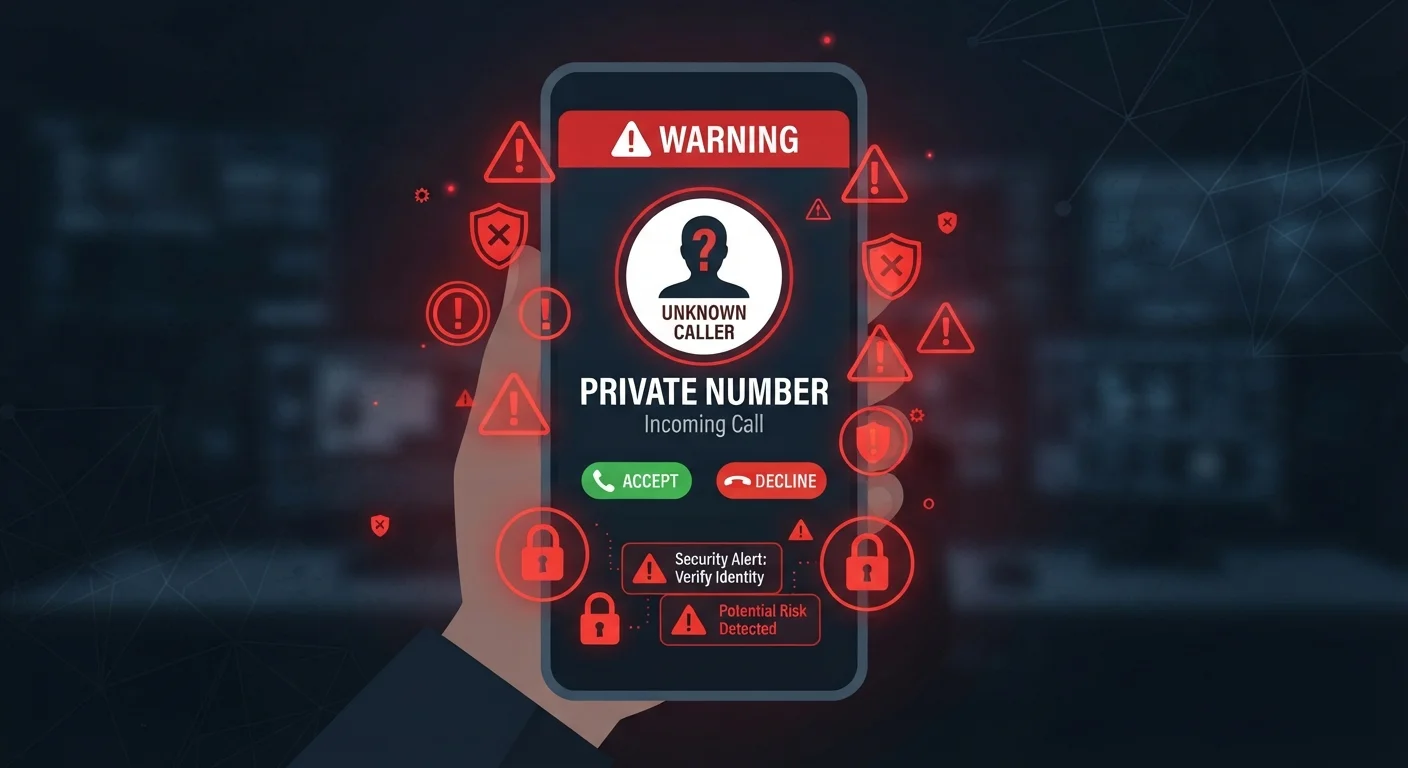
Photo: searchopenrecords editorial
—— In This Article
Why Phone Fraud Has a Taxonomy
Phone fraud is not a single threat — it is a category of loosely related tactics, each with its own mechanics, target profile, and delivery channel. Treating them as interchangeable leads to missed signals. A wangiri call looks nothing like a vishing attempt; smishing arrives in a completely different place than a robocall. Knowing the vocabulary gives you a framework for recognizing what is actually happening when your phone rings or buzzes.
This reference defines each major category, explains how it operates mechanically, and notes who it tends to target — so you can identify the pattern before it has a chance to succeed. For a deeper look at how caller ID manipulation underlies several of these tactics, see how fraudsters use your own number against you.
Wangiri
A one-ring call scam originating in Japan (the name roughly translates to 'one ring and cut') where a caller hangs up quickly, hoping the recipient calls back a premium-rate number and incurs charges.
Vishing
Voice phishing — a scam conducted over a live or automated phone call in which fraudsters impersonate a trusted institution to extract personal or financial information.
Smishing
SMS phishing — a text message-based scam that contains a fraudulent link or prompt designed to steal credentials, install malware, or harvest personal data.
Spoofing
The technical manipulation of caller ID so that an incoming call appears to originate from a trusted or local number, even when it does not.
Robocall
An automated phone call that delivers a pre-recorded message at scale, often used in scam campaigns to reach large numbers of potential victims simultaneously.
Social Engineering
Psychological manipulation that exploits trust, fear, or urgency to persuade a person to voluntarily disclose sensitive information or take a harmful action.
Premium-Rate Number
A telephone number that charges the calling party a high per-minute fee, with a portion of revenue going to the number's owner — frequently exploited in wangiri scams.
Reverse Phone Lookup
A search process that takes a phone number as input and attempts to surface associated owner identity, carrier, location, and line-type data from public and aggregated records.
The Major Scam Categories Defined
Wangiri (One-Ring Scams)
The caller lets the phone ring once — sometimes less — then disconnects. The goal is curiosity: if you call back, you may be connected to a premium-rate international number that charges by the minute while an automated message keeps you on the line. Wangiri numbers often display area codes that look domestic but are actually country codes for Caribbean or Pacific island nations (e.g., +1-268 for Antigua). The charge appears on your next phone bill.
Vishing (Voice Phishing)
Vishing uses a live voice or a convincing automated script to impersonate a trusted institution — a bank's fraud department, the IRS, Social Security Administration, or Medicare. The caller creates urgency (suspended account, unpaid taxes, compromised benefits) and requests verification of sensitive data: Social Security numbers, account PINs, or payment via gift card. Spoofing makes the caller ID match the real organization's number. The pressure scripts used in vishing calls are highly predictable once you know the pattern.
Smishing (SMS Phishing)
Smishing delivers the attack via text message. A link leads to a fake login page, a malware download, or a form harvesting personal details. Common lures include package delivery alerts, bank fraud warnings, prize notifications, and government benefit messages. Unlike voice calls, smishing persists in writing — but that same persistence means you can examine the sender number before acting.
Robocalls and Ringless Voicemail
Automated calling campaigns can reach millions of numbers daily at minimal cost. Legitimate robocalls exist (appointment reminders, school alerts), but fraudulent ones promote fake warranties, debt-relief schemes, or impersonate government agencies. Ringless voicemail drops a recorded message directly into voicemail without the phone ringing, bypassing the first layer of recipient skepticism.
| Wangiri origin country | Japan (early 2000s) |
| Smishing delivery channel | SMS / text message |
| Vishing primary impersonation targets | Banks, IRS, Social Security Administration, Medicare |
| Most common robocall scam topics | Warranties, debt relief, government imposters (FTC Consumer Sentinel data, various years) |
| Spoofing legality (US) | Prohibited when done to defraud under the Truth in Caller ID Act (FCC) |
| STIR/SHAKEN framework | US call-authentication standard designed to reduce spoofed robocalls (FCC mandate, 2021) |
Who Gets Targeted and How Lists Are Built
No demographic is entirely exempt, but fraud campaigns are often deliberately aimed at groups perceived as higher-value or less skeptical: older adults for Medicare and Social Security scams; small business owners for fake IRS or payroll alerts; recent immigrants for imposter government calls. Scammer call lists are assembled from data brokers, leaked databases, and social media — a pipeline explained in detail in how phone scammers find their targets.
Certain behaviors also increase exposure. Answering unknown calls, engaging with automated prompts, or responding to smishing texts signals to fraud systems that a number is active and responsive. Habits that make you an easier target include patterns most people don't realize are risky.
Understanding what phone number type a suspicious call originates from — VoIP, mobile, or landline — can also inform how much weight to give a caller ID display. VoIP numbers in particular are inexpensive to provision and easy to discard, making them a common vehicle for fraud campaigns.

Phone Lookup Editorial Team
Phone Lookup Editorial Team is the collective byline for our editorial team and contributor network. Articles published under this byline or an editorial pen name are researched, written, and reviewed according to our editorial standards for clarity, consistency, and independence before publication.
View author profile