
Phone Scams Explained: How Fraudsters Use Your Own Number Against You
Learn how caller ID spoofing works, why scammers mimic local numbers, and what it means for your ability to trust an incoming call.
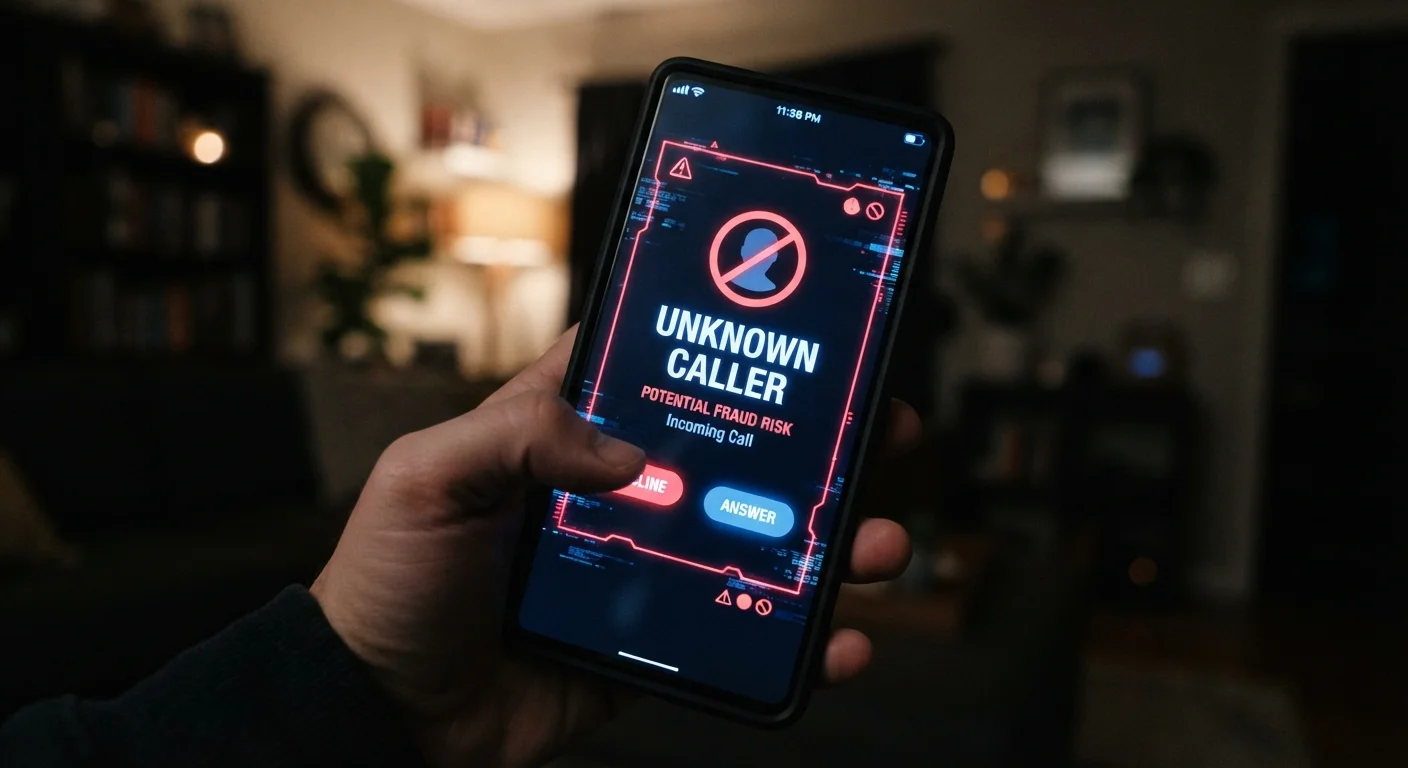
Photo: searchopenrecords editorial
—— In This Article
Key Takeaways
- Caller ID spoofing lets scammers display any number they choose, including yours.
- Neighbor spoofing mimics your local area code to increase the chance you'll answer.
- A call appearing to come from a legitimate number does not confirm the caller's identity.
- Reverse phone lookup results can be misleading when a spoofed number is used.
- Hanging up and calling back on a verified number is a reliable way to confirm a caller's identity.
Why Your Own Number Can Show Up on Your Screen
Receiving a call from what appears to be your own phone number is disorienting — and intentional. Scammers exploit a fundamental weakness in the telephone system: the caller ID field is not verified at the point of origination. With widely available VoIP software, a fraudster can insert any number string they choose into that field before the call is placed. The phone network passes that unverified label along, and your screen displays it as fact.
This specific variant is sometimes called "spoofing your own number." Its goal is confusion rather than impersonation — a recipient who sees their own number is more likely to answer out of curiosity, giving the scammer a live connection. Once you've picked up, the fraud attempt begins: urgent warnings about your Social Security number, fake bank alerts, or prize notifications are common openers.
Understanding why this works starts with recognizing that the phone network was designed for trust between carriers, not verification of individual callers. That architecture, built decades before VoIP existed, created the gap fraudsters now routinely exploit. The type of number being used — landline, mobile, or VoIP — affects how easily spoofing can be deployed, with VoIP presenting the lowest barrier.
Neighbor Spoofing: Why Local Numbers Feel Trustworthy
Beyond mimicking your own number, the broader tactic known as neighbor spoofing involves displaying a phone number that shares your area code — and often your exchange (the first three digits after the area code). Studies conducted by call analytics firms have consistently found that people are significantly more likely to answer calls appearing to originate locally, and scammers have adapted accordingly.
33%
Increase in answer rate for local-looking numbers
Call analytics research has repeatedly shown consumers are substantially more likely to answer calls matching their area code compared to unfamiliar out-of-state numbers.
~4 billion
Robocalls placed per month in the US
Industry estimates from call-blocking service providers indicate several billion automated calls are placed to US numbers each month, a significant portion of which involve spoofed caller ID.
$1,000+
Median loss per phone fraud victim
According to Federal Trade Commission consumer sentinel data, phone-initiated fraud consistently produces higher median losses than other contact methods.
The mechanics are straightforward: scammers purchase or rent blocks of VoIP numbers, configure the outbound caller ID to match a local prefix, and automate thousands of calls simultaneously. Because the displayed number often belongs to a real, innocent person in your area, those individuals sometimes receive angry callbacks from recipients who believe their number made a scam call — a secondary harm the original spoofer never faces.
This overlap between spoofing and legitimate-looking numbers is also why reverse phone lookup results can be misleading when a spoofed number is involved. The lookup may return a real person's name and address — someone entirely unconnected to the scam.
How to Respond When Caller ID Can't Be Trusted
The core problem spoofing creates is that a number alone is no longer sufficient verification of identity. A call that appears to come from your bank, the IRS, or your own household number may originate from anywhere in the world. This requires a shift in how you evaluate incoming calls.
A practical response framework:
- Let unknown calls go to voicemail. Legitimate callers leave messages; most scam operations do not.
- Hang up and call back independently. If a caller claims to represent your bank, end the call and dial the number printed on your card or the institution's official website. Do not redial the number that called you.
- Never engage with automated prompts. Pressing any key confirms your line is active and can add you to future call lists. Our article on habits that make you an easier target covers this in depth.
- Use a reverse lookup as a starting signal, not a verdict. Checking a suspicious number through a reverse phone lookup tool can surface community-reported spam flags or carrier data, but treat results as one data point given spoofing limitations.
Verify Before You Trust Any Caller
If an incoming call requests urgent action — payment, personal information, or account credentials — hang up and independently look up the organization's official contact number. Use the number on a physical card, official website, or government directory, never the number that called you. This single habit neutralizes most phone impersonation scams.
For a broader map of phone fraud tactics — including vishing and smishing — the field guide to modern phone fraud provides useful reference context. And if a suspicious number looks local but unfamiliar, understanding the difference between spoofed and recycled numbers will sharpen your assessment. You can also learn what data patterns are commonly associated with scam numbers when using lookup tools.
Frequently Asked Questions

Phone Lookup Editorial Team
Phone Lookup Editorial Team is the collective byline for our editorial team and contributor network. Articles published under this byline or an editorial pen name are researched, written, and reviewed according to our editorial standards for clarity, consistency, and independence before publication.
View author profile