
Expungement and Background Checks: What Sealed Records Should—and Sometimes Don't—Hide
Expunged records don't always disappear from every database. Learn how expungement works, its limits, and what to do if a sealed record still appears.
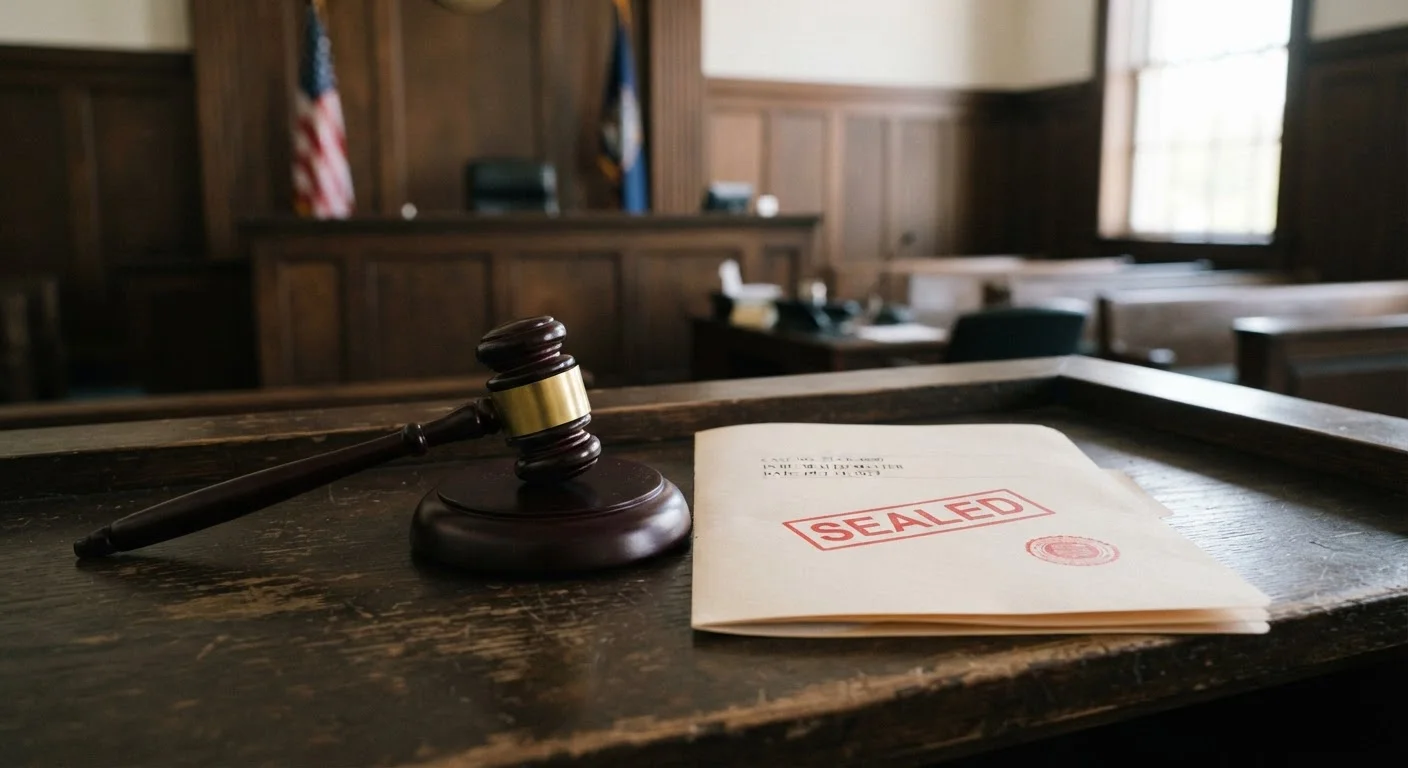
Photo: searchopenrecords editorial
—— In This Article
Key Takeaways
- Expungement laws vary by state — eligibility, scope, and legal effect differ significantly.
- An expunged record may still appear in private databases that haven't updated their data.
- Federal criminal records and certain sex offenses are generally not eligible for expungement.
- Consumers have rights under the FCRA to dispute inaccurate expunged records in background check reports.
- Some employers and licensing boards can access sealed records even after expungement.
- Regularly reviewing your own background check report is the best way to catch lingering errors.
How Expungement Is Supposed to Work
When a court grants an expungement, it issues an order directing law enforcement agencies, court clerks, and other official record-holders to destroy, return, or seal the records related to a specific arrest or conviction. The legal intent is straightforward: the incident should no longer follow the person through life. In most states, the individual is legally permitted to answer "no" when asked on job applications or housing forms whether they have been arrested or convicted of the expunged offense.
The process typically begins with a petition to the court that handled the original case. A judge reviews factors such as the nature of the offense, time elapsed since conviction, and whether the petitioner has completed all sentencing requirements. If approved, the court's order flows outward to state repositories, local law enforcement, and sometimes federal databases. For a fuller picture of how courts restrict record access, see how sealing, expungement, and redaction differ.
Because expungement is entirely a creature of state statute, there is no uniform national standard. What qualifies in one state may be ineligible in another, and the legal effect — destruction versus sealing — differs as well. Understanding the specific law in your state is a necessary first step.
Why Expunged Records Can Still Surface
The gap between a court's expungement order and the real-world removal of data is where most problems occur. Official government systems — state criminal repositories, court databases, law enforcement records — are required to comply with the court's directive. Private background check companies are not always held to the same standard or timeline.
Many commercial background screening firms compile their databases by periodically purchasing or scraping records from public sources. Once a record is in a private database, it may persist there long after the official court record has been expunged, simply because the company's data refresh cycle hasn't caught up — or because the company has no automated mechanism to receive expungement notifications.
Run Your Own Background Check Proactively
If you've had a record expunged, consider requesting your own background check report before applying for jobs or housing. This lets you identify lingering errors before they affect a decision. Under the FCRA, you can request one free report annually from many consumer reporting agencies, and you can dispute inaccurate entries directly.
This is a known and documented problem in the consumer reporting industry. The Fair Credit Reporting Act (FCRA) prohibits consumer reporting agencies from reporting records that have been expunged, but enforcement depends on the agency being aware of and acting on that legal status. Consumers who discover an expunged record on a report have the right to dispute it. For context on how criminal records more broadly appear in reports, see what criminal records typically surface in background checks.
Limits of Expungement: Who Can Still See Sealed Records
Even a properly processed expungement does not make a record invisible to everyone. State and federal law carve out exceptions that allow certain entities to access sealed information under defined circumstances.
- Government and law enforcement: Criminal justice agencies often retain access to expunged records for internal purposes, including prosecuting subsequent offenses.
- Certain licensing boards: Professions such as law, medicine, education, and financial services may require disclosure of expunged records as part of licensing applications.
- Child-welfare and vulnerable-population employers: Jobs involving children, the elderly, or individuals with disabilities frequently involve more expansive background checks that may access sealed records under state law.
- Federal employment and security clearances: Federal agencies are not bound by state expungement orders and typically conduct independent investigations that may surface expunged state records.
It is also worth noting that federal convictions cannot be expunged under current federal law for most offenses — a significant limitation for anyone whose case was prosecuted federally rather than at the state level. See our related explainer on why some records disappear from public view for broader context.
How to Correct an Error Involving an Expunged Record
If you have a valid court order for expungement and an old record is still appearing on a background check report, you have legal options. The process requires documentation and persistence, but the FCRA provides a clear framework.
- Obtain the background check report. You have the right to request a copy from any consumer reporting agency that generated it. If the report was used for employment, housing, or credit, the company is required to provide it.
- Gather your court documentation. A certified copy of your expungement order is the central piece of evidence. Obtain this directly from the court clerk if you don't have one on file.
- Submit a written dispute. Contact the background check company in writing, attaching your court order and clearly identifying the inaccurate entry. The FCRA requires the agency to investigate within 30 days and correct or remove information that cannot be verified as accurate.
- Notify the original source. If the error originates from a specific courthouse or law enforcement database, contact that agency directly to ensure their records reflect the expungement.
- Consult a consumer rights attorney if disputes are ignored. The FCRA gives consumers the right to sue agencies that fail to correct verified errors.
For a deeper look at how expunged records interact with background check systems specifically, see how expunged and sealed records interact with background checks. And if you've received a clean background check result but still have concerns, understand why a clear result isn't always complete.
This article provides general educational information about expungement and background check processes. It is not legal advice. For guidance specific to your situation, consult a licensed attorney familiar with the laws in your state.
Frequently Asked Questions

Background Checks Editorial Team
Background Checks Editorial Team is the collective byline for our editorial team and contributor network. Articles published under this byline or an editorial pen name are researched, written, and reviewed according to our editorial standards for clarity, consistency, and independence before publication.
View author profile