
Your Family History Is Already Documented — Here's Where to Find It
Discover the public records, archives, and official sources that already hold the story of your family — and how to access them.
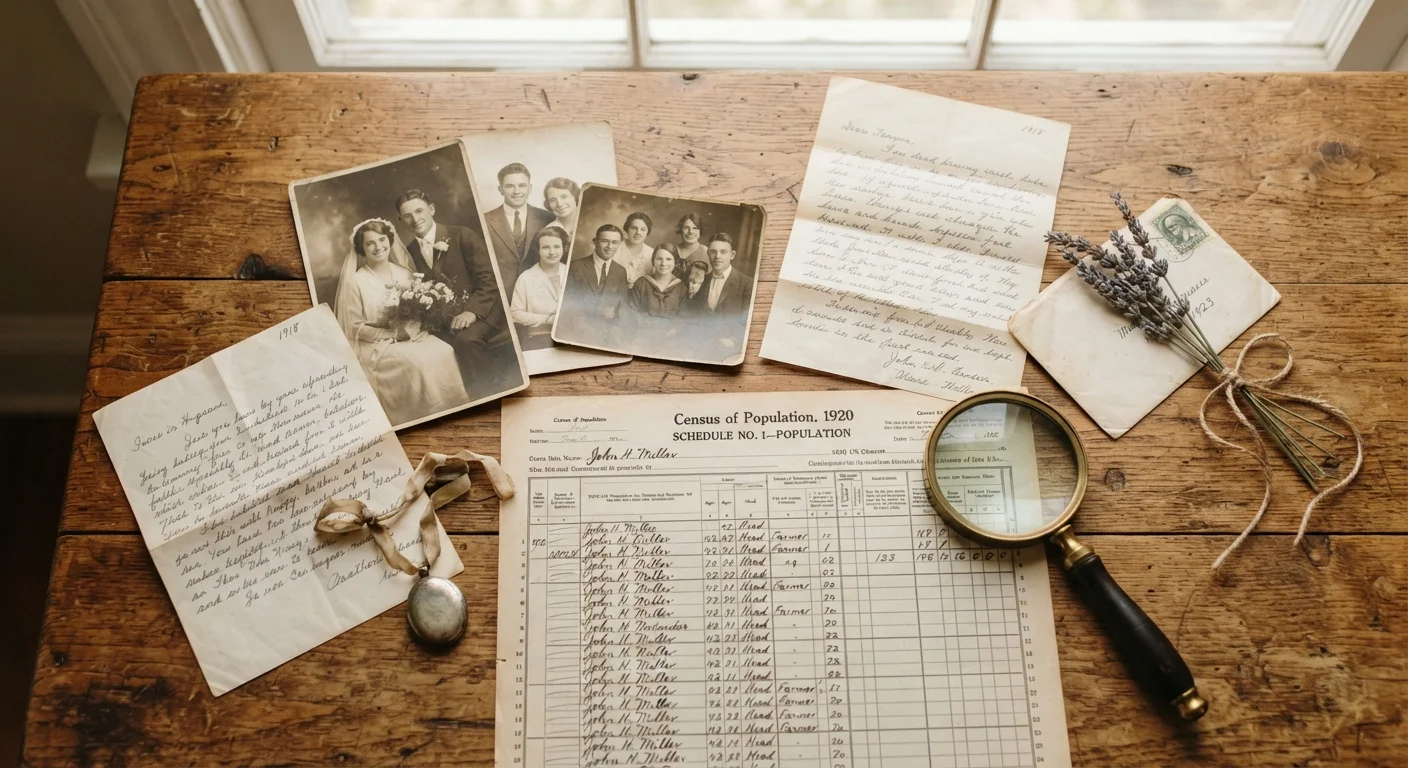
Photo: searchopenrecords editorial
—— In This Article
Key Takeaways
- U.S. census records, vital records, and military files together cover most American families across multiple generations.
- Federal agencies like the National Archives and institutions like FamilySearch provide free access to millions of digitized documents.
- Vital records — birth, marriage, and death certificates — are typically held by state or county offices.
- Name variations, spelling errors, and digitization gaps are common obstacles; knowing this helps you search more effectively.
- Starting with what you already know and working backward is the most reliable method for beginners.
- Obituaries and probate records are often overlooked but can reveal family structure, relationships, and locations.
Why Your Family History Already Exists in Official Records
Most people assume researching their family history means a long, uncertain hunt through obscure documents. In reality, if your ancestors lived in the United States, their lives were documented — repeatedly — by the institutions around them. Every birth, marriage, death, property transfer, tax payment, military enlistment, and immigration arrival generated a paper trail. Much of that trail still exists.
The challenge isn't whether the records exist. It's knowing which institutions hold them, what each document type reveals, and how to navigate the systems that organize them. That's a learnable skill — and it's where most successful genealogical research begins.
For a structured introduction to the archives that hold these materials, see our guide on starting your genealogy journey with historical archives.
The Four Core Record Categories for Family Researchers
Genealogical research draws on a handful of record types that, used together, can reconstruct family relationships across generations. Here's what each category offers:
- Census records: Federal censuses were taken every ten years beginning in 1790. From 1850 onward, they list all household members by name, age, birthplace, and occupation — giving you an immediate snapshot of a family unit at a specific point in time.
- Vital records: Birth, marriage, and death certificates are created at the state or county level. They confirm key dates, parents' names, and often include additional identifying details like occupations or places of origin.
- Military records: Service records, pension files, and draft registrations held by the National Archives are among the most information-rich documents available. Pension files in particular can include personal affidavits, widow's testimony, and family statements.
- Immigration and naturalization records: Ship manifests, passenger lists, and naturalization petitions document arrivals and often record a person's hometown in their country of origin — a critical link for tracing families back across borders.
For a fuller breakdown of what each document type contains, The Historical Record Types Every Family Researcher Should Know is a useful companion reference.
4.2 billion
Historical records accessible through FamilySearch
FamilySearch reports holding more than 4.2 billion searchable records across its free online platform, drawn from archives in over 100 countries.
1790
Earliest available U.S. federal census year
The U.S. Census Bureau has conducted a national population count every decade since 1790; records from 1790 through 1950 are publicly available for genealogical research.
72 years
Privacy period before census data is released
U.S. law requires individual census records to remain sealed for 72 years, protecting living respondents while preserving historical data for future researchers.
Where These Records Are Actually Held
Knowing the record type is only half the equation — you also need to know where to look. In the U.S., records are distributed across several distinct systems:
- National Archives and Records Administration (NARA): Holds federal records including census microfilm, military service and pension files, and immigration documents. Many are searchable through the online catalog at archives.gov.
- FamilySearch: Operated by The Church of Jesus Christ of Latter-day Saints, FamilySearch.org provides free access to billions of digitized records, including U.S. census images, vital records indexes, and international collections.
- State archives: Each state maintains its own archive of vital records, land deeds, probate files, and legislative documents. Access levels and digitization progress vary considerably.
- County courthouses: Probate records, deed books, and naturalization filings were often recorded at the county level and may not yet be digitized — requiring a written request or in-person visit.
Don't overlook obituaries as a research tool. Published obituaries routinely name surviving relatives, home towns, and religious affiliations, making them a fast way to identify multiple family members at once. The Obituaries & Family History hub covers how to use these records effectively.
How to Begin: A Practical Starting Framework
The most reliable approach for new researchers is to start with yourself and work backward — one generation at a time. Begin by documenting everything you already know: full names, approximate birth years, locations, and any family stories you've heard. This gives you a set of confirmed anchors to search against.
From there, locate the most recent census in which your oldest known relatives would appear, then use the household information to identify the generation before them. Each record you find points to the next one — a death certificate lists a birthplace, a birth certificate names both parents, a pension file describes a marriage.
Start Broad, Then Narrow Your Search
When searching digitized indexes, begin with the broadest possible criteria — last name and approximate state — before adding filters like birth year or first name. Many transcription errors affect first names or dates, so a narrower initial search may cause you to miss a valid record entirely. Once you locate a likely match, open the original image to verify the details directly.
Common pitfalls to anticipate include name anglicization (immigrant ancestors who adopted English-sounding names), transcription errors in digitized indexes, and gaps in coverage for certain communities whose records were kept inconsistently or lost. Searching under multiple spelling variants and cross-referencing multiple record types reduces the impact of any single error.
To understand what public records can and can't confirm about family relationships, Family Trees and Public Records: What You Can Actually Find offers a clear-eyed overview. And when you're ready to combine documentary evidence with DNA data, DNA and Digital Records Together explains how those tools work in combination.
Frequently Asked Questions

Genealogy Search Editorial Team
Genealogy Search Editorial Team is the collective byline for our editorial team and contributor network. Articles published under this byline or an editorial pen name are researched, written, and reviewed according to our editorial standards for clarity, consistency, and independence before publication.
View author profile