
Public Records That Pair Naturally With Obituary Research
Death certificates, census records, and probate files all complement obituary searches. Discover which records work together to fill genealogical gaps.
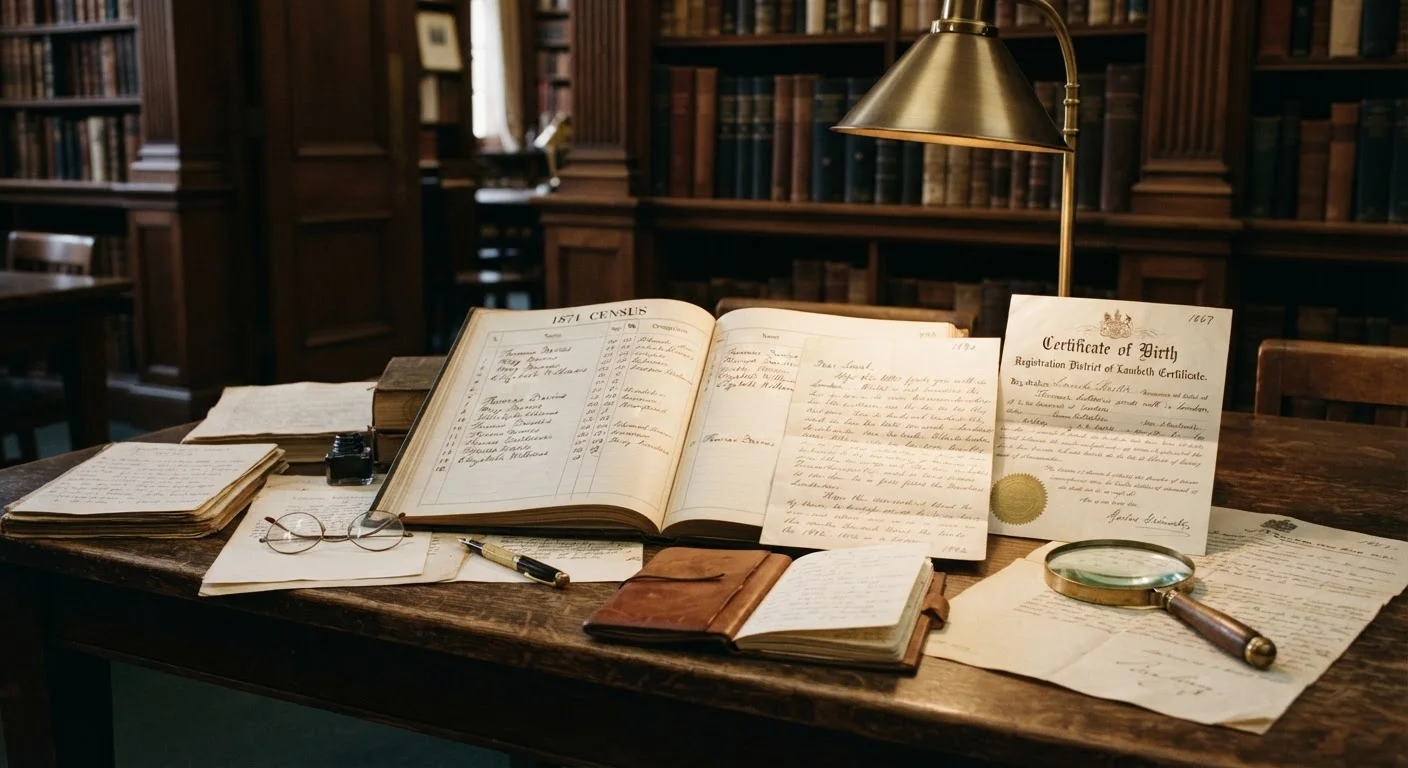
Photo: searchopenrecords editorial
Key Takeaways
- Death certificates confirm dates and causes that obituaries often omit or generalize.
- Census records place the deceased in a household context across multiple decades.
- Probate files can reveal family relationships, assets, and disputes not mentioned in obituaries.
- Marriage and divorce records bridge generational gaps that obituary searches alone cannot close.
- Military service records add biographical depth and can unlock pension and burial records.
- Combining multiple record types dramatically reduces dead ends in genealogical research.
Why Obituaries Are a Starting Point, Not an Endpoint
An obituary announces a life — but it rarely documents one completely. Names are sometimes misspelled, ages estimated, and family relationships described loosely. That's not a flaw; it's the nature of a document written quickly, often by grieving relatives. What it means for researchers is that the obituary is best understood as an entry point into a broader web of public records.
If you've already learned what obituary records contain and why they matter or practiced reading obituaries for genealogical clues, the natural next step is pairing those records with complementary public sources. Each one fills a different gap — and together they build something far more reliable than any single document alone.
Death Certificates
The death certificate is the most natural companion to an obituary. Where an obituary might say someone died peacefully at home, the certificate typically records the precise date, time, location, cause of death, attending physician, and the informant who provided the information — often a surviving spouse or child. That informant's name is itself a useful genealogical clue.
Death certificates are issued by state vital records offices, and access varies by state. Most states restrict recent records to authorized family members but open older records to the public after a set number of years, commonly 25 to 75 years depending on the jurisdiction. The Social Security Death Index (SSDI) can also help you verify basic facts for deaths recorded after the mid-twentieth century.
The informant listed on a death certificate is often a surviving family member — a clue hiding in plain sight.
U.S. Federal and State Census Records
Census records show who lived under the same roof at a given moment in time, making them indispensable for understanding family composition. An obituary might name four children; a census record from twenty years earlier might reveal a fifth who died young or married and moved away. Census data also records occupations, birthplaces, and neighbors — context that enriches any family history.
Federal census records from 1790 through 1950 are available through the National Archives, with the most recent fully released census being 1950 (released in 2022 under the 72-year privacy rule). State census records, conducted in various years between federal counts, are held by state archives and can fill decade-long gaps.
A census record can reveal a family member the obituary never mentioned.
Probate Records
When someone dies leaving property or debts, their estate typically passes through probate court — and those proceedings generate detailed public records. Wills name beneficiaries and sometimes describe family relationships explicitly. Intestate proceedings (when someone dies without a will) list legal heirs, which courts must verify independently. Inventory records may even itemize personal belongings, land holdings, and outstanding debts.
Probate files are held by county-level courts and are generally public records. Older files may be archived with the county historical society or state archives. They're especially valuable when an obituary is vague about surviving relatives or when you suspect a family member was excluded from a notice.
Probate court files are public records that can name heirs an obituary left unmentioned.
Marriage and Divorce Records
Obituaries frequently mention a spouse but rarely explain the full marital history — particularly if there were multiple marriages, an early widowhood, or a divorce. Marriage records, filed with county clerks or state vital records offices, confirm dates and full names of both parties. Divorce decrees, found in civil court records, may reveal maiden names, former names, or children from prior relationships that would otherwise go undocumented in genealogical research.
These records are especially useful for tracing women through the historical record, where name changes at marriage have traditionally made continuity harder to establish. A marriage certificate links a woman's maiden name to her married name with official authority.
Marriage records are often the only reliable bridge between a woman's maiden and married surnames.
Military Service and Pension Records
For anyone who served in the U.S. armed forces, military records add a rich biographical layer. Service records document enlistment, rank, postings, and discharge status. Pension files — especially those from the Civil War era and later — can be extraordinarily detailed, sometimes including personal statements, physical descriptions, and testimony from neighbors or family members who vouched for a veteran's service or disability.
The National Archives holds the bulk of federal military records. Note that a 1973 fire at the National Personnel Records Center in St. Louis destroyed a significant portion of Army and Air Force records from the mid-twentieth century, so some files may be reconstructed only partially. Knowing this limitation helps researchers set realistic expectations before searching.
Civil War pension files sometimes contain handwritten personal statements more detailed than any obituary.
Land and Property Records
Deeds, land grants, and tax records document where someone lived and what they owned across decades. Because property transactions are tied to specific dates and locations, they can help triangulate a family's movements between census years — a period that obituaries and vital records don't address at all. Land records are filed with county recorders and are among the oldest continuously maintained public records in American history, with some colonial-era deeds still held at local courthouses.
Property tax rolls, sometimes digitized by county assessors, can also confirm residence in a specific location in years when no other record places a person there definitively.
Land deeds can anchor a family to a specific county in years when no other record exists.
Building a Complete Picture
Each record type above contributes a different layer of a person's documented life. Death certificates anchor the timeline, census records place the individual in community and household context, and probate or court records reveal the legal and financial realities that families rarely mention in published notices. Used together, they transform a name in a newspaper column into a traceable, verifiable life history.
Start With What the Obituary Gives You
Before pulling any supporting record, extract every name, date, place, and relationship mentioned in the obituary and write them down separately. Each detail is a potential search term for a different record type. A surviving sibling's name, for example, can open a parallel census search. Approaching it systematically — rather than searching at random — saves significant time and avoids duplicated effort.
For more strategies on combining these sources effectively, see our guide on cross-referencing obituary details with other public records and explore public archives and libraries as research hubs for sources that aren't indexed online. Experienced researchers also rely on proven research habits to work through these records systematically rather than jumping between sources without a plan.

Obituary Search Editorial Team
Obituary Search Editorial Team is the collective byline for our editorial team and contributor network. Articles published under this byline or an editorial pen name are researched, written, and reviewed according to our editorial standards for clarity, consistency, and independence before publication.
View author profile