
Reverse Phone Lookup vs. Caller ID Apps: Two Different Approaches to Unknown Numbers
Reverse lookup tools and caller ID apps both identify unknown numbers, but they work differently. Here is how to understand the distinction between them.
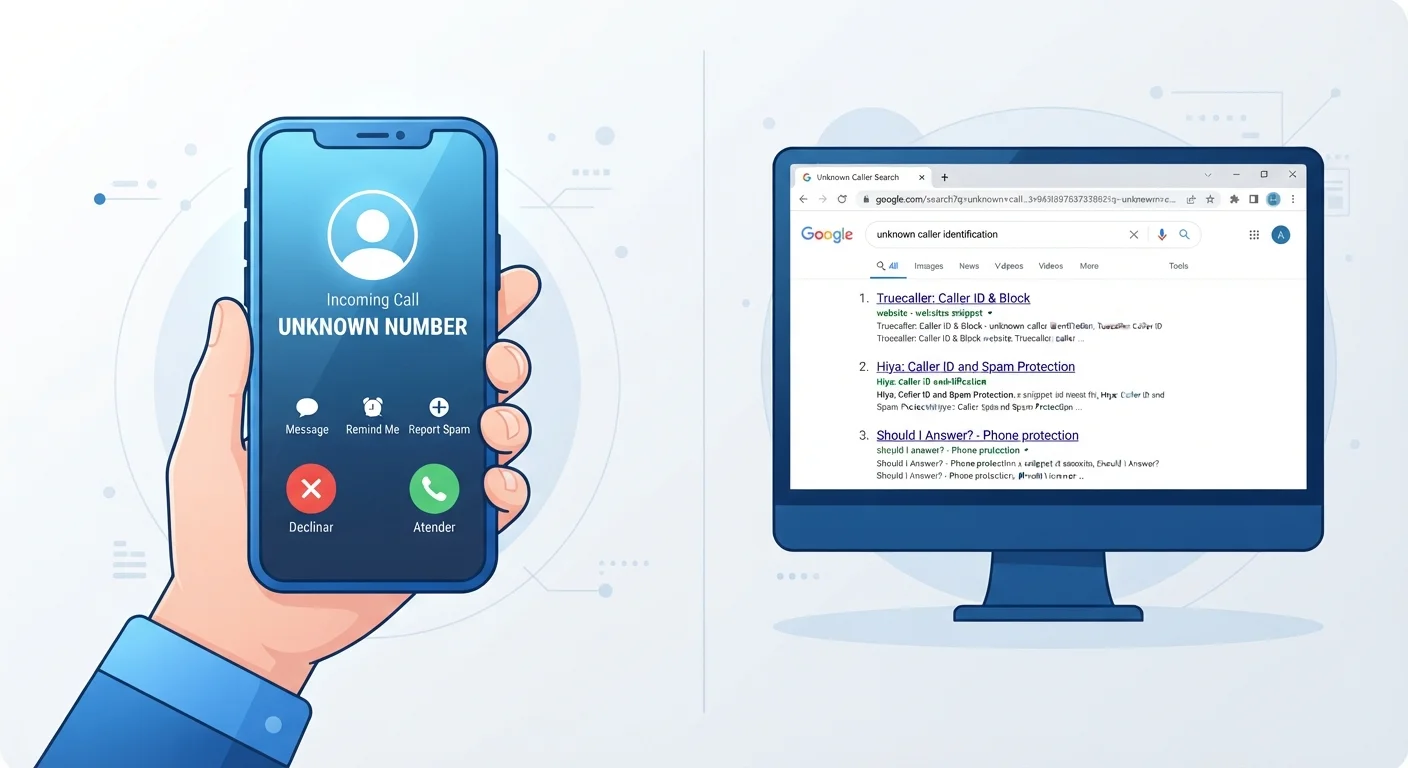
Photo: searchopenrecords editorial
—— In This Article
Key Takeaways
- Reverse phone lookup draws on public records databases; caller ID apps rely primarily on crowd-sourced user reports.
- Caller ID apps work in real time as a call arrives; reverse lookups are performed manually after the fact.
- Reverse lookup can surface owner names, carrier info, and address history; caller ID apps mainly flag spam patterns.
- Neither method guarantees complete or perfectly accurate information, especially for VoIP or spoofed numbers.
- The two tools serve complementary purposes and can be used together for a fuller picture of an unknown number.
What Each Tool Actually Does
When an unfamiliar number appears on your screen, you have two broad categories of tools at your disposal — but they operate on fundamentally different principles. Understanding how each one works prevents misplaced expectations and helps you choose the right tool for your situation.
Reverse phone lookup is a deliberate, on-demand search. You enter a phone number into a lookup tool, and it queries aggregated public records — think carrier registration data, voter rolls, property filings, and similar sources — to return whatever identity information is associated with that number. The process is manual and asynchronous: you initiate it after a call has already occurred, or before you decide whether to return one. For a detailed breakdown of the mechanics, see how reverse phone lookup tools work.
Caller ID apps work differently. They run continuously in the background on your device, consulting a shared database of numbers that other users have flagged as spam, robocalls, or fraud. When a call arrives, the app cross-references the incoming number against that database and may display a label — "Suspected Spam," "Telemarketer," or similar — before you answer. The intelligence is crowd-sourced rather than drawn from official public records.
| Criterion | Reverse Phone Lookup | Caller ID Apps |
|---|---|---|
| Primary data source | Public records databases | Crowd-sourced user reports |
| When it activates | On-demand, manually initiated | Automatically at call arrival |
| Typical information returned | Owner name, carrier, address history | Spam/scam label, call category |
| Accuracy for VoIP numbers | Limited — registration data sparse | Depends on user reporting volume |
| Handles spoofed numbers | May return real owner of spoofed line | May mislabel innocent number |
| Effort required per number | Manual search each time | None — runs in background |
| Best use case | Post-call research and verification | Real-time call screening |
Data Sources: Public Records vs. Community Reports
The distinction in data sourcing has real consequences for what each tool can tell you. Reverse phone lookup tools aggregate structured, official-adjacent data: carrier assignment records show which telecommunications company issued a number and what geographic region it was originally registered to. Property and address records can surface names historically linked to that line. Because this data originates from registration systems, it tends to be more reliable for traditional landlines and, to a lesser extent, mobile numbers — though VoIP lines present more challenges, as explained in our guide on how lookup handles landlines, mobile, and VoIP numbers differently.
Caller ID app databases are built from a different raw material: user-submitted reports. When enough people mark a number as spam, the app flags it for everyone else. This model means the database updates continuously and can react quickly to emerging scam campaigns. The trade-off is accuracy: a number can be mislabeled if enough users report it incorrectly, and brand-new numbers used by scammers may not yet have accumulated enough reports to trigger a warning. Spoofed numbers — where a scammer displays someone else's real number — can cause entirely innocent parties to receive spam labels.
Neither approach is infallible. For an honest accounting of what public records searches can and cannot reveal, see what public records can and cannot tell you about an unknown number.
33%
Of US adults who ignore unknown calls
A Truecaller Insights report found approximately one-third of US mobile users regularly decline calls from numbers they do not recognize.
~68M
Americans reported losing money to phone scams
The FTC's Consumer Sentinel Network data indicates tens of millions of consumers report phone-based fraud contacts annually.
~45%
Of mobile calls identified as potential spam
Industry analyses of US call traffic have estimated that close to half of all mobile calls may be spam or robocall attempts in peak periods.
When to Use Which — and When to Use Both
The two tools answer different questions. Caller ID apps answer: Should I pick up right now? Reverse phone lookup answers: Who is behind this number, and what can I learn about them? That distinction maps cleanly onto different situations.
If you receive a call, see no spam label, answer, and then feel uneasy about what was said, a reverse lookup is the logical next step. It can confirm or contradict the identity the caller claimed, surface the carrier the number is registered to, and indicate whether the number has been publicly associated with a known individual or business. Before you dial back any unfamiliar number, it is worth consulting our safety checklist for returning unknown calls — some numbers are designed to generate charges simply by being called back.
Conversely, if your goal is simply to reduce the volume of nuisance calls you engage with day-to-day, a caller ID app provides passive, automated protection that requires no effort per call. The two tools are not mutually exclusive; using a caller ID app for real-time screening and a reverse lookup tool for deeper investigation covers both ends of the process. For a practical walkthrough of running a reverse lookup, see this step-by-step reverse phone lookup guide.
A Note on Number Spoofing
Both reverse lookup tools and caller ID apps can be thrown off by number spoofing — a technique where a caller deliberately displays a false number on the recipient's screen. A reverse lookup on a spoofed number will return information about the real owner of that number, who is likely an innocent party. Caller ID apps may similarly flag or clear a spoofed number based on the reputation of the displayed number rather than the actual originating caller. Neither tool can definitively pierce spoofing on its own; if you suspect a call was spoofed, reporting it to the FTC at reportfraud.ftc.gov provides data that helps regulators track patterns.

Phone Lookup Editorial Team
Phone Lookup Editorial Team is the collective byline for our editorial team and contributor network. Articles published under this byline or an editorial pen name are researched, written, and reviewed according to our editorial standards for clarity, consistency, and independence before publication.
View author profile