
Signals That a Phone Number May Be Linked to a Scam
Reverse lookup can surface clues about suspicious numbers. Learn what patterns and data points are commonly associated with scam or spam calls.
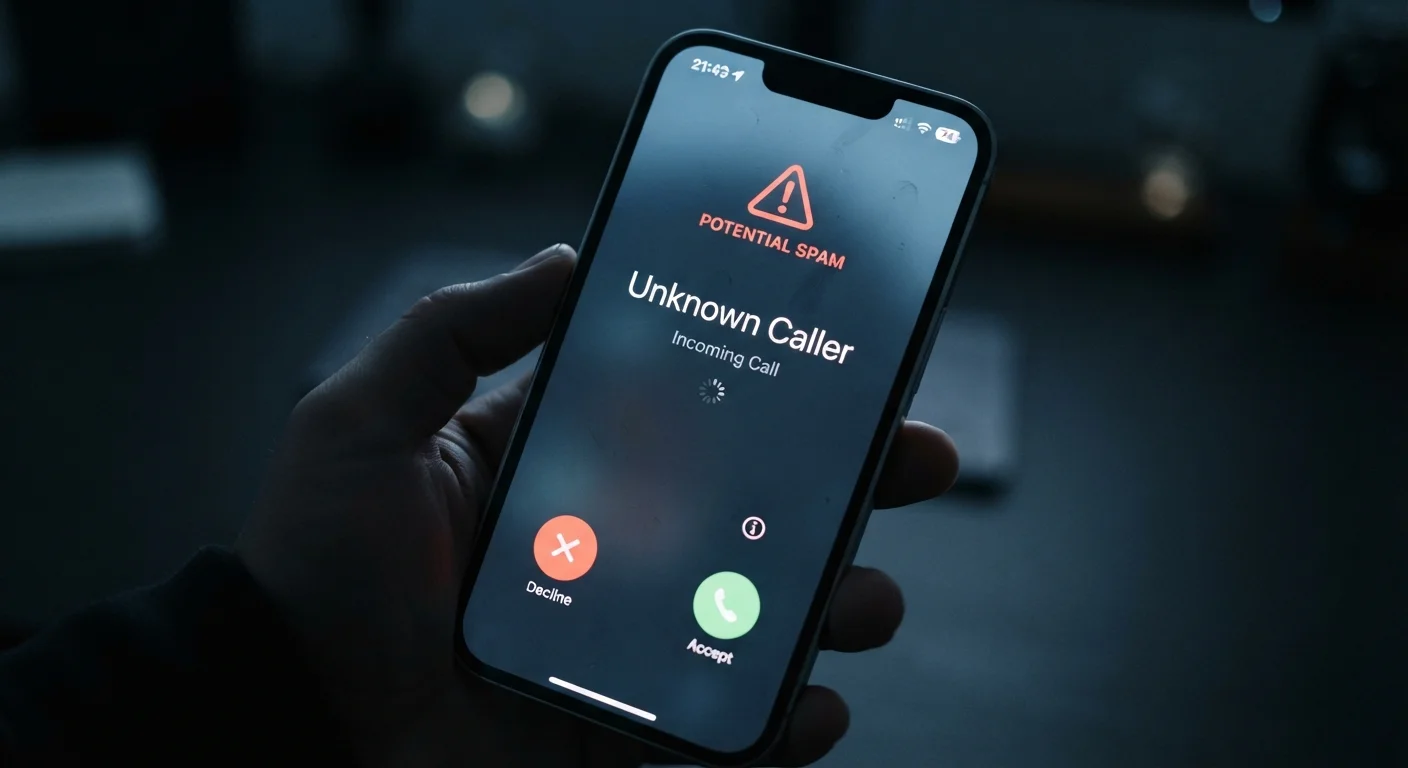
Photo: searchopenrecords editorial
—— In This Article
Key Takeaways
- Reverse phone lookup can reveal line type, carrier, and user-reported spam activity linked to a number.
- VoIP numbers, unregistered prepaid lines, and recycled numbers each carry distinct risk indicators.
- High complaint volume and inconsistent registration data are among the strongest scam signals in lookup databases.
- Spoofed numbers can produce misleading lookup results, so context matters alongside any data returned.
- No single signal confirms a scam — a combination of data points gives a more reliable picture.
What Reverse Lookup Actually Surfaces About a Number
When an unfamiliar number calls, the instinct to ignore it is reasonable — but a quick reverse phone lookup can add meaningful context before you decide how to respond. These tools query aggregated public records, carrier registration data, and crowd-sourced complaint databases to produce a snapshot of what's known about a number. Reverse phone lookup explained covers the mechanics in detail, but the short version is this: the data returned often includes the registered line type, the carrier, the geographic origin of the number, and any community-flagged spam or scam activity.
That combination of data points is where scam signals begin to emerge. No single field definitively proves fraud — but certain patterns, when seen together, are consistent with how scam operations are typically structured. Below are the key signals analysts and researchers most commonly associate with suspicious numbers.
The number is registered as VoIP with no business identity
Voice over Internet Protocol (VoIP) numbers are generated digitally, often at scale, and can be obtained with minimal verification. While many legitimate businesses use VoIP, a number that returns as VoIP with no traceable business name, no website, and no consistent registration history is a meaningful signal. Scam operations favor VoIP because numbers are cheap, disposable, and difficult to physically trace. Explore how different number types affect lookup results to understand how line-type classification works in practice.
VoIP numbers with no registered identity are a consistent trait of high-volume scam operations.
Multiple user-submitted spam reports exist in complaint databases
Crowd-sourced complaint data is one of the most reliable scam signals available in reverse lookup results. When dozens or hundreds of people independently report the same number for robocalls, impersonation, or fraud attempts, the pattern is hard to dismiss. Most reputable lookup tools aggregate these submissions from carrier spam filters, community report sites, and regulatory complaint filings. A high complaint count — especially with consistent descriptions like "IRS scam" or "Medicare fraud" — significantly elevates the risk profile of a number.
Consistent complaint descriptions across many reporters suggest coordinated, deliberate scam activity.
The number's area code doesn't match its carrier or registration origin
Scammers frequently use local number porting or number spoofing to display area codes that match the recipient's region — a tactic called neighbor spoofing. If a lookup reveals that a number displays a local area code but is registered through a carrier operating in a distant region, or shows no consistent geographic anchor, that mismatch is worth noting. How fraudsters use your own number against you explains why local-looking numbers should not automatically earn more trust.
A local area code paired with a distant carrier registration is a classic neighbor-spoofing indicator.
The number is attached to a recently created or frequently recycled line
Lookup tools sometimes surface the approximate age or activity history of a number. Numbers that were registered very recently — particularly VoIP numbers — may indicate a freshly spun-up scam line. Conversely, heavily recycled numbers (those reassigned multiple times across different users) can accumulate complaint histories that follow the number rather than any individual owner. Either pattern — very new or with a fragmented ownership trail — warrants additional caution.
Freshly created VoIP lines and recycled numbers with complaint histories are both risk indicators.
No name, business, or registration information can be found
Legitimate callers — whether individuals or organizations — generally leave some trace in public record aggregations: a name tied to a carrier account, a business listing, or at minimum a consistent geographic region. When a reverse lookup returns genuinely empty results across multiple data categories, it can indicate a deliberately anonymous number. While some prepaid or privacy-protected lines will also appear sparse, the combination of anonymity with VoIP registration or complaint history makes the signal more significant. Understanding spam and scam calls provides broader context for evaluating these gaps.
Completely anonymous numbers with no public record trail are disproportionately common among scam lines.
The number has been flagged by carrier-level spam filters
Major US carriers operate proprietary spam-detection systems that label numbers based on call behavior — unusually high outbound call volumes, short call durations at scale, or patterns matching known robocall campaigns. When a reverse lookup reflects a carrier-level spam or scam designation, it means the number's behavior triggered algorithmic detection, not just user reports. This is a technically distinct and generally more reliable signal than crowd-sourced complaints alone, because it reflects actual call traffic analysis rather than subjective experience. Why blocking doesn't always stop the calls explains why even carrier-flagged numbers can reappear under new identities.
Carrier-level spam flags reflect call-traffic analysis, making them among the most technically grounded scam signals.
Using These Signals Responsibly
These indicators are probabilistic, not conclusive. A VoIP number with no complaint history may belong to a legitimate business; a local-area-code number with dozens of spam reports almost certainly does not. The goal is to weigh signals collectively rather than act on any one data point in isolation.
Combine lookup data with call-context clues
Reverse lookup signals are most useful when cross-referenced with what actually happens on a call. Pressure to act immediately, requests for gift card payments, or instructions not to tell anyone are behavioral red flags that lookup data cannot capture. Treat number-level signals as a first filter, and call-content signals as your final check.
It's also worth understanding spoofing's role. As explained in phone number spoofing and reverse lookup accuracy, scammers frequently display numbers that don't match their actual originating line — meaning a lookup may return data about an innocent third-party number rather than the real caller. If the number you looked up appears clean but other red flags exist during the call itself, defer to the call-content red flags that matter most.
Before returning a missed call from an unknown number, consider running through the safety checklist for calling back unknown numbers. And if you want broader context on how scammers source their target lists in the first place, how phone scammers find their targets explains the data pipeline behind most fraud campaigns.

Phone Lookup Editorial Team
Phone Lookup Editorial Team is the collective byline for our editorial team and contributor network. Articles published under this byline or an editorial pen name are researched, written, and reviewed according to our editorial standards for clarity, consistency, and independence before publication.
View author profile