
Before You Call Back an Unknown Number: A Safety Checklist
Returning a missed call from an unfamiliar number carries real risks. Run through these verification steps before you dial.
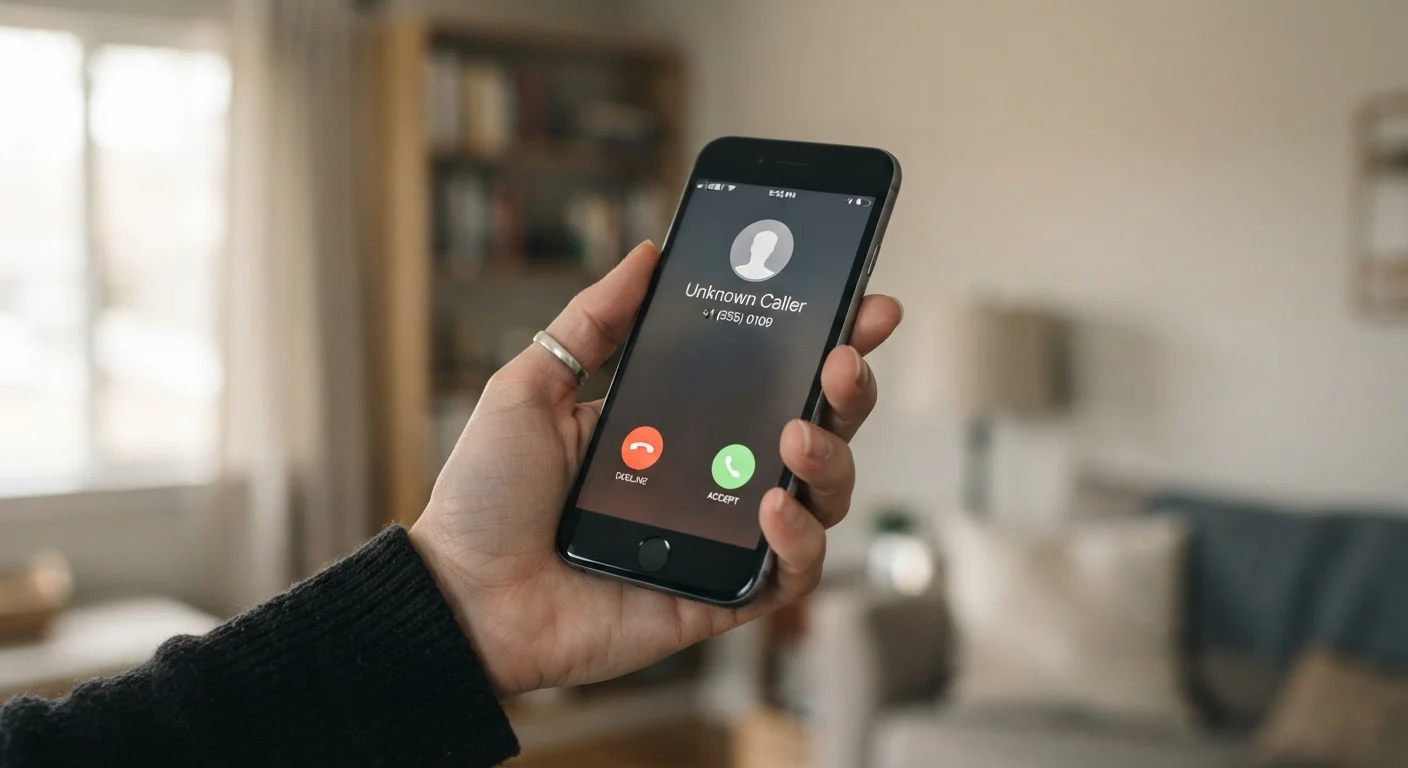
Photo: searchopenrecords editorial
—— In This Article
Key Takeaways
- Calling back an unknown number without checking first can expose you to scams or toll fraud.
- A reverse phone lookup can surface public records associated with an unfamiliar number before you engage.
- VoIP numbers and spoofed caller IDs make visual recognition of a number an unreliable safety signal.
- Voicemail content and online search results together give you a fuller picture of caller intent.
- Reporting suspicious numbers to the FTC helps protect others beyond just yourself.
Why Calling Back Carries Real Risk
A missed call from an unfamiliar number feels minor — but returning it without any verification can carry genuine consequences. Scammers routinely use a tactic known as the one-ring scam, where a single ring is designed to provoke a callback to a premium-rate international number, generating charges that appear on your bill before you realize what happened. Other schemes use callback numbers to confirm that a line is active, marking it for targeted fraud attempts.
The problem is compounded by caller ID spoofing — technology that lets a caller display any number they choose, including local area codes or even numbers belonging to real businesses and government agencies. This means you cannot rely on recognizing the displayed number as a reliable safety signal. Understanding how reverse phone lookup tools identify unknown numbers gives you a practical framework for evaluating what you're actually seeing on your screen.
The checklist below is designed to slow down that instinct to immediately redial and give you a structured, low-effort process for evaluating risk before you engage.
Premium-Rate Callback Numbers Can Generate Charges Instantly
Some missed calls are engineered solely to prompt a callback to a premium-rate line, where per-minute charges begin the moment your call connects. Certain Caribbean area codes (such as 809 or 876) share the +1 North American prefix, making them visually indistinguishable from domestic U.S. numbers. These charges appear on your carrier bill and can be difficult to dispute. If you do not recognize a number and received only one ring, do not call back until you have verified the number's origin.
Tools You Will Need
Most of these steps require nothing beyond a web browser and the number itself. Having a few resources bookmarked in advance makes the process faster.
Web Search Engine
Search the phone number directly to find consumer complaints, forum posts, or news reports linking it to scam activity.
Reverse Phone Lookup Tool
Identify the registered name, carrier, line type, and approximate location associated with an unknown number using public records.
Community Phone Reporting Sites
Browse user-submitted reports about specific numbers to see whether others have flagged the same caller.
FTC Report Fraud Portal (reportfraud.ftc.gov)
Submit complaints about scam or unwanted calls to the Federal Trade Commission for regulatory follow-up.
National Do Not Call Registry (donotcall.gov)
Register your phone number to reduce legitimate telemarketing calls and establish a baseline for identifying illegal outreach.
The Verification Checklist
Work through these groups in order. Each stage builds on the last, and you can stop as soon as you have a confident answer — positive or negative — about the number's legitimacy.
Initial Assessment
Online Search
Reverse Phone Lookup
Decision and Action
What to Do If the Number Looks Suspicious
If your checks raise red flags, the safest course is not to call back at all. Block the number directly from your device's settings so it cannot reach you again. If you received a voicemail that referenced a government agency, a financial institution, or a prize, treat those claims as unverified until you reach the real organization through a number you find independently — not the one left in the message.
Suspicious numbers are worth reporting. The FTC, FCC, and your state attorney general all accept complaints about unwanted or deceptive calls, and the data they collect is used to identify and act against high-volume scam operations. For a deeper look at the patterns that commonly appear in scam-linked numbers, see our guide on signals that a phone number may be linked to a scam.
If you want to compare approaches to identifying unknown callers, reverse lookup tools and caller ID apps work differently and each has distinct strengths worth understanding before you settle on a method.

Phone Lookup Editorial Team
Phone Lookup Editorial Team is the collective byline for our editorial team and contributor network. Articles published under this byline or an editorial pen name are researched, written, and reviewed according to our editorial standards for clarity, consistency, and independence before publication.
View author profile