
Tracing an Unknown Number: What Public Records Can and Cannot Tell You
Phone lookup tools draw on public records, but they have real limits. Here's an honest look at what you can find—and where searches fall short.
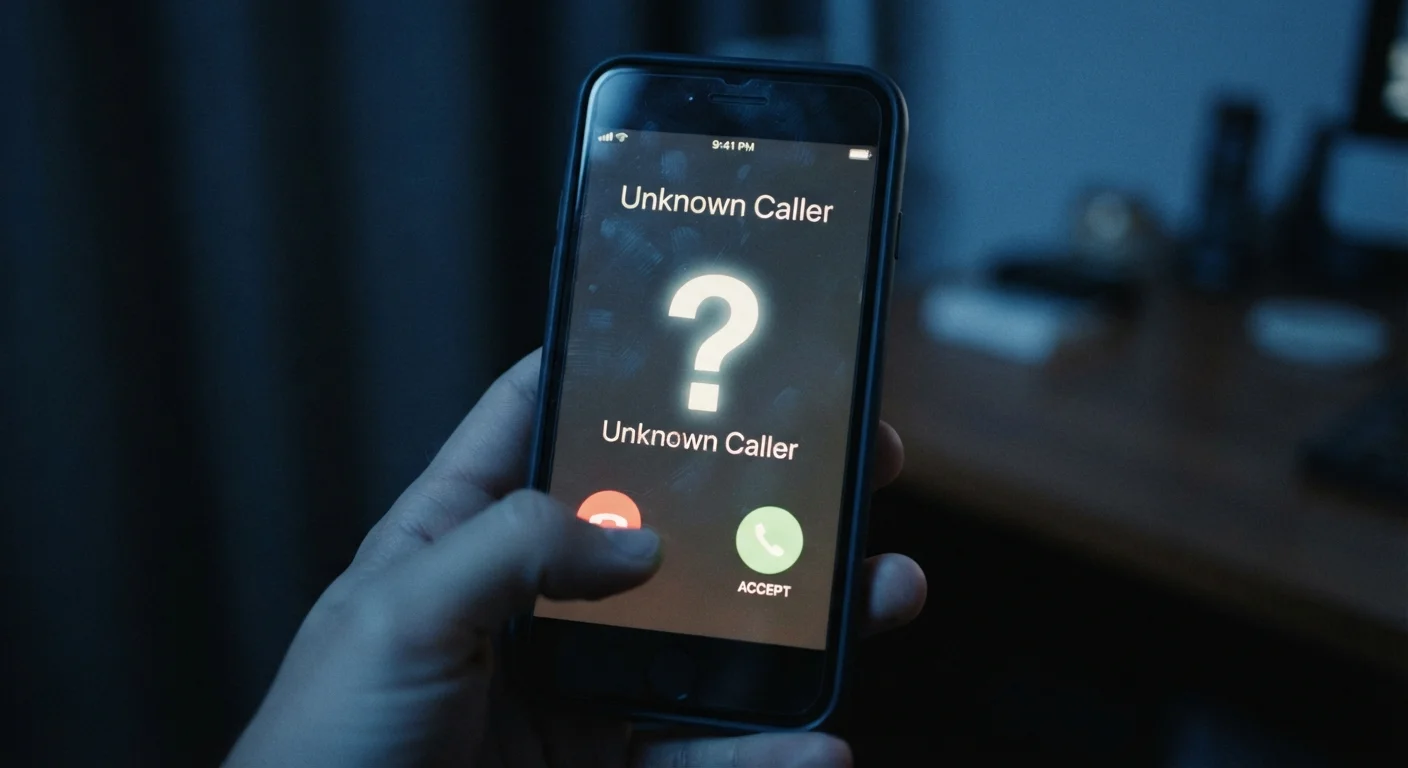
Photo: searchopenrecords editorial
—— In This Article
Key Takeaways
- Public records can often identify landline owners but reveal far less about mobile or VoIP numbers.
- Scammers routinely use number spoofing and virtual lines to evade trace efforts.
- Reverse phone lookup tools aggregate public data but cannot guarantee accuracy or completeness.
- Understanding a number's type — landline, mobile, or VoIP — is a useful first step before searching.
- No public tool can reliably unmask a determined bad actor using disposable or spoofed numbers.
Landline and business numbers often return clear owner data
Registered landlines and toll-free business lines have public records trails going back decades, making them the most reliably searchable number type through aggregated databases.
Crowdsourced spam flags catch numbers with no owner data
Even when a number has no registered owner in public records, user-reported complaint data can identify it as a known scam or robocall line — often the most actionable signal for mobile numbers.
Free initial screening is widely accessible
Basic reverse lookup searches are available through multiple public tools without cost, allowing anyone to run a quick first check before deciding whether to return a call or investigate further.
Carrier and number-type data is usually available
Most lookup tools can identify the carrier and classify a number as mobile, landline, or VoIP — useful context that shapes how you interpret the absence or presence of owner information.
Results can verify or contradict a caller's claimed identity
Cross-referencing what a lookup returns against what the caller claims helps flag spoofed or misrepresented numbers, which is one of the more practical scam-detection applications.
Mobile numbers have thin or no public records
Cell numbers were never subject to directory listing requirements, so any personal data tied to them in lookup databases comes from voluntary disclosures that many people never make.
VoIP and virtual numbers are nearly untraceable
Virtual lines can be created quickly with minimal identity verification, leaving little or nothing in public records databases — exactly why scammers favor them.
Spoofed numbers return misleading results
Caller ID spoofing lets anyone display a different number than the one they're calling from, so a lookup returning a real business name does not confirm that business placed the call.
Database information can be outdated or incomplete
Aggregated public records are not updated in real time; a number reassigned to a new owner may still show the previous subscriber's details for months or longer.
Results cannot confirm criminal intent or identity with certainty
Even a name match does not establish that the identified person made the call, particularly when spoofing or account takeover is involved. Lookup results are leads, not legal conclusions.
What Public Records Actually Contain About Phone Numbers
When you search an unknown number through a reverse phone lookup tool, you are querying a database assembled from multiple public and semi-public sources: directory listings, voter registration files, property records, court documents, and data aggregated from business registrations. The depth of what surfaces depends almost entirely on how the number was registered in the first place.
Landlines have historically generated the richest paper trail. Telephone companies were once required to publish subscriber information in physical directories, and that legacy data persists in many aggregated databases. As our companion piece explains, landlines sit at the center of the public records ecosystem built around traditional telephone infrastructure.
Mobile numbers, by contrast, were never subject to directory-listing requirements. Any personal data linked to a cell number in a lookup database typically comes from voluntary public disclosures — social media profiles, business listings, or forms the subscriber filled out. This distinction matters enormously when you are trying to trace an unfamiliar number. Different number categories produce very different lookup outcomes, and knowing which type you are dealing with shapes realistic expectations from the outset.
Where Reverse Lookup Tools Succeed
Landline and business numbers often return clear owner data
Registered landlines and toll-free business lines have public records trails going back decades, making them the most reliably searchable number type through aggregated databases.
Crowdsourced spam flags catch numbers with no owner data
Even when a number has no registered owner in public records, user-reported complaint data can identify it as a known scam or robocall line — often the most actionable signal for mobile numbers.
Free initial screening is widely accessible
Basic reverse lookup searches are available through multiple public tools without cost, allowing anyone to run a quick first check before deciding whether to return a call or investigate further.
Carrier and number-type data is usually available
Most lookup tools can identify the carrier and classify a number as mobile, landline, or VoIP — useful context that shapes how you interpret the absence or presence of owner information.
Results can verify or contradict a caller's claimed identity
Cross-referencing what a lookup returns against what the caller claims helps flag spoofed or misrepresented numbers, which is one of the more practical scam-detection applications.
For numbers connected to registered businesses, toll-free lines, or long-established landline accounts, reverse lookup tools can surface actionable information quickly. Toll-free numbers follow specific registration rules that make ownership data relatively accessible through public channels.
Lookup tools also excel at flagging numbers already reported by other users as spam or scam lines. Crowdsourced complaint data — aggregated from user submissions to platforms and regulators — can identify a problematic number even when no owner name is attached to it. This is often the most practical signal available for mobile numbers.
If you want a structured approach, a step-by-step walkthrough can help you interpret results and decide when to dig further.
Where Public Records Fall Short
Mobile numbers have thin or no public records
Cell numbers were never subject to directory listing requirements, so any personal data tied to them in lookup databases comes from voluntary disclosures that many people never make.
VoIP and virtual numbers are nearly untraceable
Virtual lines can be created quickly with minimal identity verification, leaving little or nothing in public records databases — exactly why scammers favor them.
Spoofed numbers return misleading results
Caller ID spoofing lets anyone display a different number than the one they're calling from, so a lookup returning a real business name does not confirm that business placed the call.
Database information can be outdated or incomplete
Aggregated public records are not updated in real time; a number reassigned to a new owner may still show the previous subscriber's details for months or longer.
Results cannot confirm criminal intent or identity with certainty
Even a name match does not establish that the identified person made the call, particularly when spoofing or account takeover is involved. Lookup results are leads, not legal conclusions.
The most significant gap is the near-invisibility of virtual numbers. VoIP (Voice over Internet Protocol) lines can be provisioned quickly, cheaply, and without strong identity verification. As explored in our piece on why virtual numbers are difficult to trace, these lines lack the fixed physical location or mandatory registration that makes landlines traceable.
Spoofed numbers present an even harder problem. Caller ID spoofing allows a caller to display any number they choose — including numbers belonging to real, innocent parties. A lookup that returns a legitimate business name does not confirm that business actually placed the call. This is a common scam tactic: spoofing a recognizable number to appear credible.
Spoofing vs. Tracing: A Key Distinction
When a lookup returns a real name or business for an incoming number, it means that number is registered to that party — not necessarily that they made the call. Caller ID spoofing is technically straightforward and widely used by scammers. If a result seems inconsistent with the caller's behavior or claims, treat it as a red flag rather than reassurance. Reporting spoofed calls to the FTC at reportfraud.ftc.gov helps build the complaint data that flags these numbers for others.
For a comprehensive look at what lookup results can and cannot confirm, see everything reverse phone lookup can and cannot tell you.
Using These Tools Responsibly to Spot Scam Patterns
Even imperfect data is useful if you know how to read it. A reverse lookup that returns no information on a number that claimed to be from a government agency or major bank is itself a signal worth noting — legitimate organizations typically have traceable, registered lines.
Comparing what a lookup tool returns against what the caller claims is one of the more practical uses of public records in a scam-screening context. Discrepancies — a number registered out of state but claiming to be a local utility, for example — warrant skepticism. Understanding how lookup tools assemble their data helps you weigh results appropriately rather than treating them as definitive proof.
If the lookup tool you're using feels different from what you expected, it's worth understanding the distinction. Reverse lookup tools and caller ID apps work differently, and choosing the right approach depends on what information you actually need.
Ultimately, public records tools are best understood as a first filter — useful for ruling in legitimate callers and flagging known bad numbers, but not a substitute for caution when a call makes an urgent or unusual request.

Phone Lookup Editorial Team
Phone Lookup Editorial Team is the collective byline for our editorial team and contributor network. Articles published under this byline or an editorial pen name are researched, written, and reviewed according to our editorial standards for clarity, consistency, and independence before publication.
View author profile