
Documents You'll Typically Need to Prove Ownership of Unclaimed Funds
A practical reference covering the identity, ownership, and address documents most state agencies require when processing a claim.
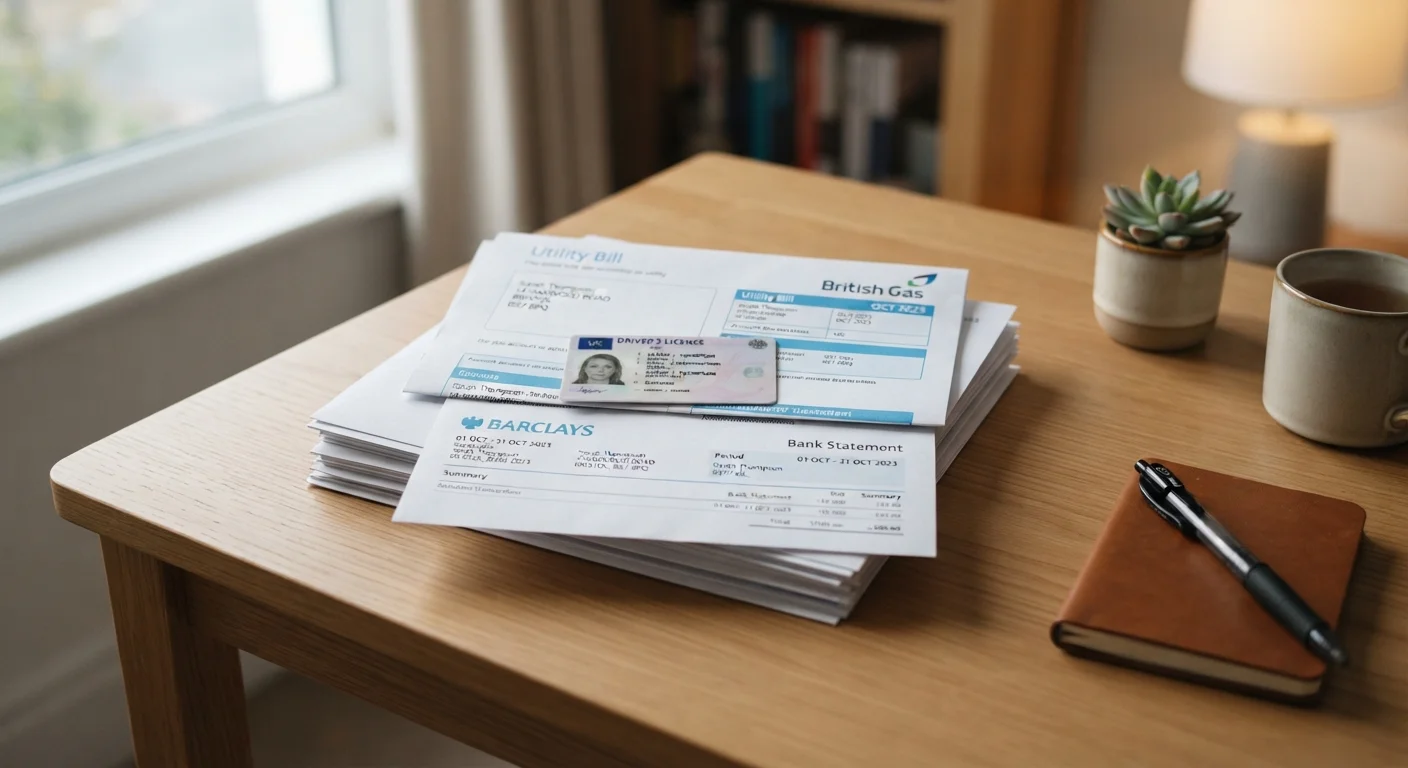
Photo: searchopenrecords editorial
—— In This Article
Why Documentation Requirements Exist
Every state unclaimed property program operates under a legal obligation to release funds only to verified rightful owners. Without a reliable documentation standard, agencies would be unable to distinguish legitimate claimants from fraudulent ones. The requirement is protective — both for you and for other potential heirs.
Requirements vary by state and by the type of property being claimed, but most programs follow a consistent framework built around three pillars: proof of identity, proof of ownership, and proof of address history. Understanding what falls under each pillar helps you prepare a complete claim package the first time.
For a broader picture of how claims fit into the overall system, see the full lifecycle of unclaimed property.
| Primary regulating bodies | State treasury or revenue departments (NAUPA (National Association of Unclaimed Property Administrators)) |
| Standard document pillars | Identity, ownership, address history |
| Most commonly accepted ID | Government-issued photo ID (driver's license or passport) |
| Extra docs for heir claims | Death certificate, Letters Testamentary or affidavit of heirship |
| Business claim requirement | EIN documentation and authorized signatory proof |
| Name change documentation | Marriage certificate, divorce decree, or court order |
Core Document Categories and What Qualifies
Proof of Identity establishes who you are. Most agencies accept one or two of the following:
- State-issued driver's license or non-driver ID card
- U.S. passport or passport card
- Military identification card
- Tribal identification issued by a federally recognized tribe
Some states also accept a Social Security card paired with a second form of photo ID. The document must generally be current and unexpired.
Proof of Ownership links you specifically to the dormant account or asset. Depending on the property type, qualifying documents include:
- Original or duplicate account statements showing your name and account number
- Safe deposit box receipts or rental agreements
- Insurance policy documents naming you as the policyholder or beneficiary
- Payroll records, W-2 forms, or 1099s referencing uncashed checks
- Stock certificates or brokerage account confirmations
Proof of Address History corroborates that you lived at the address on file with the original holder. Accepted documents typically include:
- Utility bills (gas, electric, water) dated within the relevant period
- Lease agreements or mortgage statements
- Bank statements mailed to the address in question
- Official government correspondence addressed to you at that location
For a detailed checklist organized by document category, see documents to gather before filing.
Additional Documents for Special Circumstances
Certain claim types require supplemental documentation beyond the standard three categories.
Claiming on behalf of a deceased relative typically requires:
- A certified copy of the death certificate
- Letters Testamentary or Letters of Administration issued by a probate court (if an estate is open)
- A notarized affidavit of heirship, if no probate was opened and the estate value falls below the state's threshold
- A copy of the will if you are a named beneficiary
Claiming funds on behalf of a deceased relative involves additional steps that vary meaningfully by state.
Business or organizational claims generally require:
- Articles of incorporation or organization
- IRS Employer Identification Number (EIN) documentation
- Proof of authorized signatory status (corporate resolution or operating agreement)
Name changes require documentation of the legal change, such as a marriage certificate, divorce decree, or court order reflecting the change. This bridges the gap between the name on file and your current legal name.
To understand how agencies validate the documents you submit, see how state unclaimed property offices verify your identity.
Submitting Your Documents Correctly
Most state agencies accept photocopies or scanned digital files rather than originals, but some request notarized copies for high-value claims. Always read the specific instructions on the state's official claim form before submitting.
Practical tips to avoid delays:
- Label everything clearly. Include your claim number on each page if one has been assigned.
- Use legible scans. Blurry or cropped images are a common reason for requests for resubmission.
- Keep originals safe. Agencies will not return documents you mail to them unless you specifically request their return and the state program permits it.
- Check expiration dates. An expired ID is frequently cited as a cause for claim rejection.
For a complete walkthrough from search to receipt of funds, see how the unclaimed property claims process actually works and the first-timer's complete guide to filing a claim.
This article provides general educational information about unclaimed property documentation and is not legal or financial advice. Requirements differ by state and property type. Consult the official portal of your state's unclaimed property program or a qualified legal professional for guidance specific to your situation.

Unclaimed Money Editorial Team
Unclaimed Money Editorial Team is the collective byline for our editorial team and contributor network. Articles published under this byline or an editorial pen name are researched, written, and reviewed according to our editorial standards for clarity, consistency, and independence before publication.
View author profile