
Civil Court Records and Background Checks: Lawsuits, Judgments, and Liens Explained
Civil records like lawsuits, judgments, and liens can appear in background checks. Here's what each means and how they differ from criminal findings.
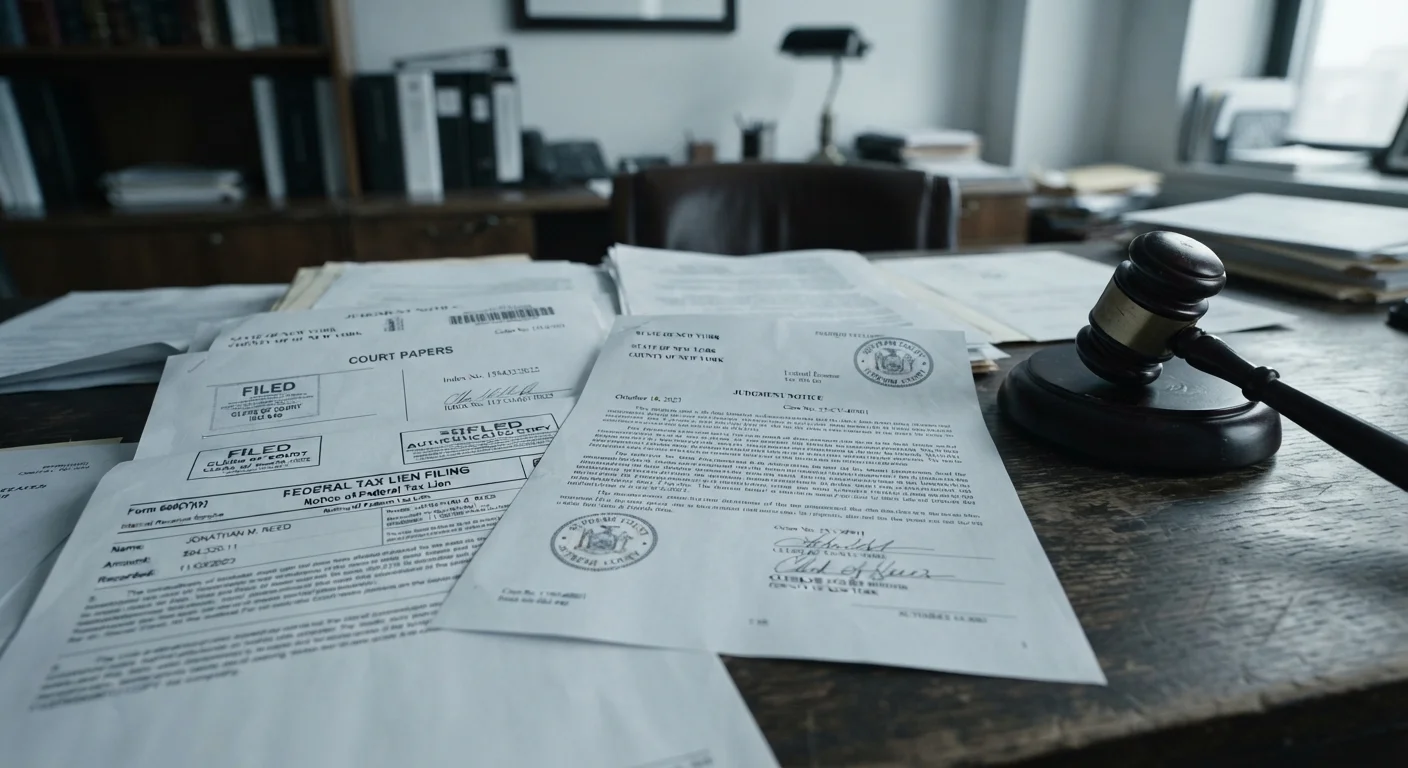
Photo: searchopenrecords editorial
—— In This Article
What Are Civil Court Records?
Civil court records document legal disputes between private parties — individuals, businesses, or government entities — where the remedy sought is typically monetary compensation or a court order rather than criminal punishment. Unlike criminal cases, no one is charged with a crime in civil proceedings. Instead, one party (the plaintiff) alleges that another party (the defendant) caused harm or breached an obligation.
These records are maintained by county, state, and federal courts and are generally part of the public record. Because they are publicly accessible, they can appear in background checks run by employers, landlords, lenders, or professional licensing bodies. Understanding what each record type means — and what it does not mean — is essential before drawing conclusions from a report.
For a deeper look at how civil and criminal records differ structurally, see our guide to civil vs. criminal court records.
| Record Type | Civil court records (lawsuits, judgments, liens) |
| Where They Are Held | County, state, and federal courts; county recorder offices |
| Public Accessibility | Generally public record; some records may be sealed by court order |
| FCRA Reporting Limit | 7 years for most civil judgments on consumer reports (Fair Credit Reporting Act, 15 U.S.C. § 1681c) |
| Lawsuit Filing ≠ Guilt | A filed complaint indicates a claim, not a legal finding of wrongdoing |
| Tax Lien Credit Reporting | Major bureaus removed most tax lien data from consumer reports after 2017 (Consumer Financial Protection Bureau, 2017) |
| Judgment Enforcement Window | Typically 5–20 years, varies by state |
Lawsuits: Filed Claims vs. Final Outcomes
A lawsuit (also called a civil complaint or civil action) appears in court records the moment it is filed — before any ruling, settlement, or dismissal. This distinction matters significantly in background checks: the presence of a lawsuit does not indicate fault, liability, or wrongdoing. A person may be named as a defendant in a frivolous or ultimately unsuccessful case.
Background check reports that surface lawsuits should always specify the case status. Common statuses include:
- Pending — the case is still active in court.
- Dismissed — the case was dropped or thrown out, often without any finding against the defendant.
- Settled — the parties reached a private agreement, typically with no admission of liability.
- Judgment entered — the court issued a final ruling.
Consumers have the right under the Fair Credit Reporting Act (FCRA) to dispute inaccurate civil record information that appears in consumer reports. For context on how this compares to criminal records surfacing in checks, see what criminal records appear in background checks.
Judgments: Court-Ordered Financial Obligations
A civil judgment is a court's final decision that one party owes another a specific sum of money or must take (or stop) a specific action. Judgments arise after a trial verdict or when a defendant fails to respond to a lawsuit (a default judgment). Unlike a pending lawsuit, a judgment represents a concluded legal finding.
Judgments can appear in background checks and credit reports, and they carry real financial weight: the winning party (judgment creditor) may be able to garnish wages, levy bank accounts, or place a lien on property to collect what is owed. However, judgments have a statute of limitations and may become unenforceable after a set period that varies by state — typically five to twenty years.
It is worth noting that civil fraud judgments and criminal fraud convictions are legally distinct. A civil fraud judgment means a court found, on a balance of probabilities, that fraud occurred; a criminal conviction requires proof beyond a reasonable doubt and carries potential incarceration. Our article on civil fraud judgments vs. criminal fraud convictions explains this difference in detail.
Liens: Legal Claims Against Property
A lien is a legal claim attached to a person's real or personal property, giving a creditor a security interest until a debt is paid. Liens commonly arise from unpaid judgments, unpaid taxes (tax liens), contractor disputes (mechanic's liens), or mortgage agreements. They are recorded in public land or property records and can surface in both property searches and certain background checks.
Key facts about liens in background checks:
- Tax liens — filed by the IRS or state tax authorities for unpaid tax debt — have historically appeared on credit reports, though the major credit bureaus stopped including most civil judgment and tax lien data in consumer reports after a 2017 data accuracy initiative. They may still appear in non-credit background report databases.
- Judgment liens automatically attach to real property in many states once a court judgment is recorded with the county recorder.
- Mechanic's or contractor liens are filed by contractors who were not paid for work performed on a property and are recorded at the county level.
Liens on real property can complicate property sales or refinancing. For information on how lien entries work specifically in vehicle histories, see lien records in vehicle histories. For a broader look at financial records that appear in background checks — including bankruptcies — see financial records in background checks.
This article is for general informational purposes only and does not constitute legal or financial advice. Readers should consult a qualified attorney or financial professional regarding their specific circumstances.

Background Checks Editorial Team
Background Checks Editorial Team is the collective byline for our editorial team and contributor network. Articles published under this byline or an editorial pen name are researched, written, and reviewed according to our editorial standards for clarity, consistency, and independence before publication.
View author profile