
Starting From Scratch: A Roadmap for First-Time Genealogy Researchers
New to family history research? This guide walks you through every foundational step, from gathering what you know to finding official records.
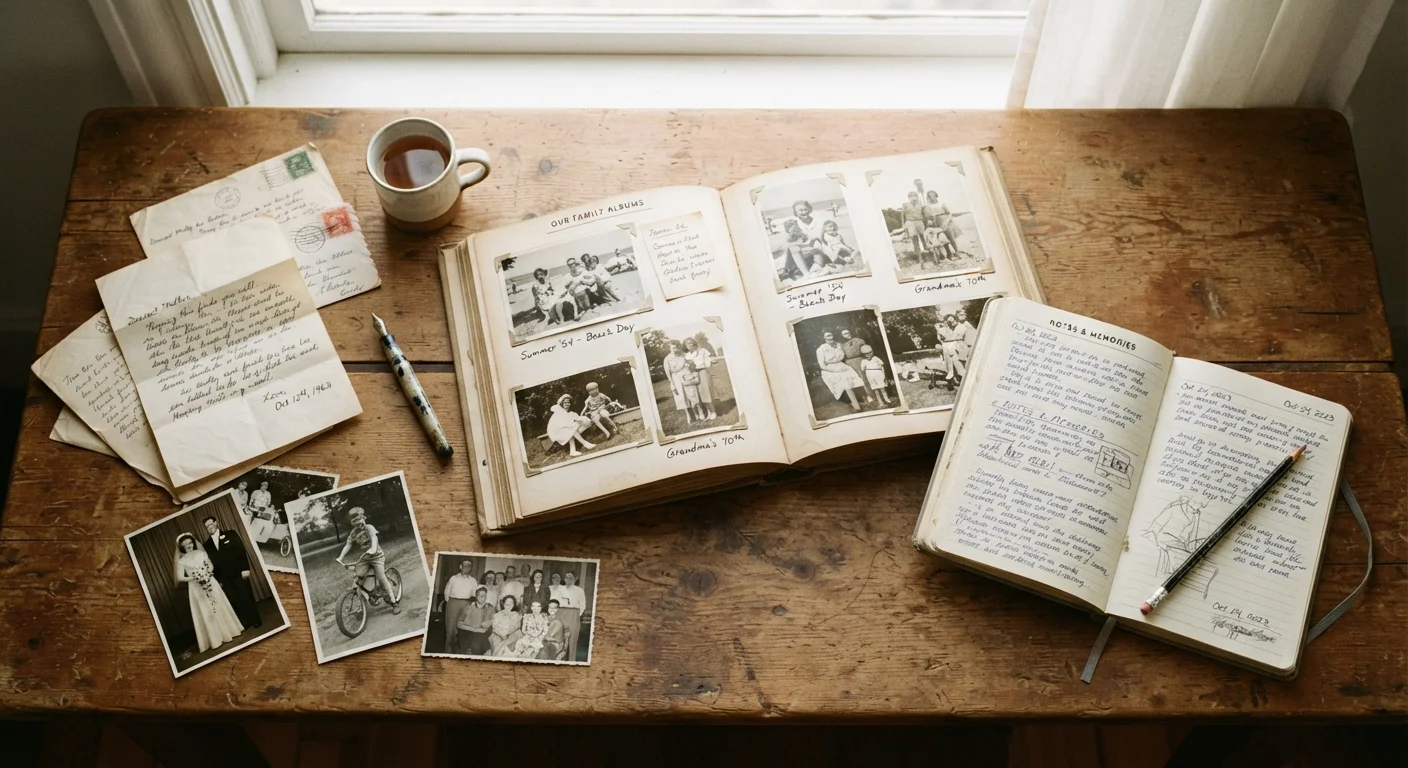
Photo: searchopenrecords editorial
—— In This Article
Key Takeaways
- Begin genealogy research with personal knowledge and family documents before searching external records.
- Vital records — births, marriages, and deaths — are the backbone of any family tree.
- Name spellings frequently changed across generations and at immigration; always search variations.
- Free official sources like FamilySearch and the National Archives hold millions of digitized records.
- Organizing findings in a consistent format prevents confusion and duplicate effort later.
Start With What You Already Know
The most common mistake first-time researchers make is searching databases before they've inventoried what they already have. Genealogy research works most efficiently when you move from the known to the unknown — starting with yourself, then your parents, then grandparents, and so on backward through time.
Spend an hour writing down every name, date, and place you can recall for close relatives. Then look through your home for supporting documents: birth and marriage certificates, Social Security cards, baptism records, old letters, military discharge papers (DD-214s), passports, or immigration documents. Family Bibles and photo albums sometimes contain handwritten birth and death dates that appear nowhere else. Reach out to older relatives — a brief conversation with a grandparent or aunt can surface details that no database holds.
Record what you find, but also note your sources. Knowing that a birth year came from a family Bible rather than a government document helps you evaluate its reliability later. See our preparation checklist for a structured way to complete this first phase.
Organizing Your Information Before You Search
Before opening a single database, establish a consistent filing system. Disorganized research leads to duplicate effort, conflicting notes, and lost sources — problems that compound quickly once you're tracking dozens of people across multiple generations.
Vital records
Official government documents that record births, marriages, and deaths. They are the primary source for establishing dates, places, and family relationships in genealogical research.
Primary source
A record created at or near the time of the event by someone with firsthand knowledge — for example, a birth certificate filed shortly after delivery.
Pedigree chart
A visual diagram showing your direct ancestors — parents, grandparents, great-grandparents — across multiple generations in a branching format.
Family group sheet
A standardized form documenting one nuclear family unit: a couple and all their children, including key dates and places for each person.
Soundex
A phonetic coding system that groups surnames with similar sounds under the same code, making it easier to find records where a name was spelled differently than expected.
72-year rule
The U.S. federal policy that restricts public access to individual census records for 72 years after the census was taken, to protect the privacy of living individuals.
A simple approach: create one folder per family surname, with sub-folders for each individual. Within each individual's folder, keep a summary sheet listing known facts and the source of each fact. Many researchers use a standard family group sheet — a one-page form documenting a couple and their children — alongside a pedigree chart that maps your direct ancestral line. Both formats are available as free printable templates through FamilySearch.org.
Digital organization matters too. If you save document scans or screenshots, use descriptive filenames — for example, SmithJohn_1920Census_Illinois.jpg — rather than generic ones like scan001.jpg. This discipline pays off enormously once your tree grows beyond a few generations. For a comprehensive walkthrough of building out your tree structure, our guide on starting your family tree from scratch covers the process in depth.
Where Official Records Live — and How to Find Them
Once you've recorded what you know, official records are your next destination. The most foundational record types for genealogy are:
- Vital records (births, marriages, deaths): Held by state vital records offices; availability and access rules vary by state and record age.
- U.S. Federal Census records: The National Archives holds census records from 1790–1950. The 1950 census is the most recent publicly available (released in 2022 under the 72-year rule). FamilySearch and other platforms have digitized and indexed many census years.
- Immigration and naturalization records: Ship manifests, passport applications, and naturalization papers are searchable through the National Archives and FamilySearch.
- Military records: The National Personnel Records Center holds service and pension files. Many pre-20th-century pension files are freely available on Fold3 and FamilySearch.
Start your online research at FamilySearch.org, which is free and nonprofit. The National Archives catalog (catalog.archives.gov) is essential for federal records. Your state archives and local county courthouses hold records that may not be digitized — a written or in-person request is sometimes necessary. For a deeper orientation to archive research, see our guide on starting your genealogy journey with historical archives.
Working With Name Variations and Gaps
Two challenges trip up nearly every beginner: name variations and missing records. Addressing both requires understanding why they happen.
Name variations occur for several reasons. Spelling was not standardized before the 20th century, so a clerk recorded what they heard — or what they assumed. Immigrants often anglicized surnames upon arrival, or had names altered by immigration officials. Women's surnames changed at marriage. First names appear in shortened or translated forms across different documents (Johann becomes John; Katarzyna becomes Catherine). Always search phonetic variants and wildcards, and use Soundex-based search options where available.
Record gaps are equally common. Many 19th-century state records were never created or have since been lost to fire, flood, or administrative neglect. The 1890 U.S. Census is almost entirely destroyed. When a record is missing, look for substitutes: a death certificate may be gone, but a published obituary, cemetery inscription, or probate record might supply the same details. Obituary records are a particularly underused source that can name parents, siblings, and even birthplaces not found elsewhere.
Use Wildcard and Phonetic Searches
When searching databases for an ancestor, try wildcard characters (often an asterisk or question mark, depending on the platform) to capture spelling variations — for example, "Sm*th" catches both Smith and Smyth. Many platforms also offer Soundex or phonetic search modes specifically designed for surname variation. Combining both approaches dramatically increases the chance of finding records that were indexed under an unexpected spelling.
Expanding Your Research: Next Steps
Once you've established two or three generations using vital records and censuses, you're ready to branch into more specialized sources. Court records — including probate files, land deeds, and guardianship cases — often reveal family relationships that vital records omit. Our guide on your first court records search explains how to navigate those records confidently.
DNA testing is another avenue worth considering when documentary research stalls. Autosomal DNA tests can identify cousins you didn't know existed and help break through brick walls in the paper record. For a grounded introduction, see Genetic Genealogy From the Ground Up, which explains test types and how to interpret results alongside traditional research.
Remember that genealogy is iterative. New records are digitized constantly, and a search that returns nothing today may succeed in six months. Document your negative searches — what you looked for, where, and when — so you know what to revisit. Building a reliable family tree is a long-term project, and consistent, methodical habits from the start will carry you further than any single lucky find.
Frequently Asked Questions

Genealogy Search Editorial Team
Genealogy Search Editorial Team is the collective byline for our editorial team and contributor network. Articles published under this byline or an editorial pen name are researched, written, and reviewed according to our editorial standards for clarity, consistency, and independence before publication.
View author profile