
The Public Records That Matter Most in Genealogy Research
Birth, death, marriage, census — learn which public records are most useful for tracing family roots and what information each one contains.
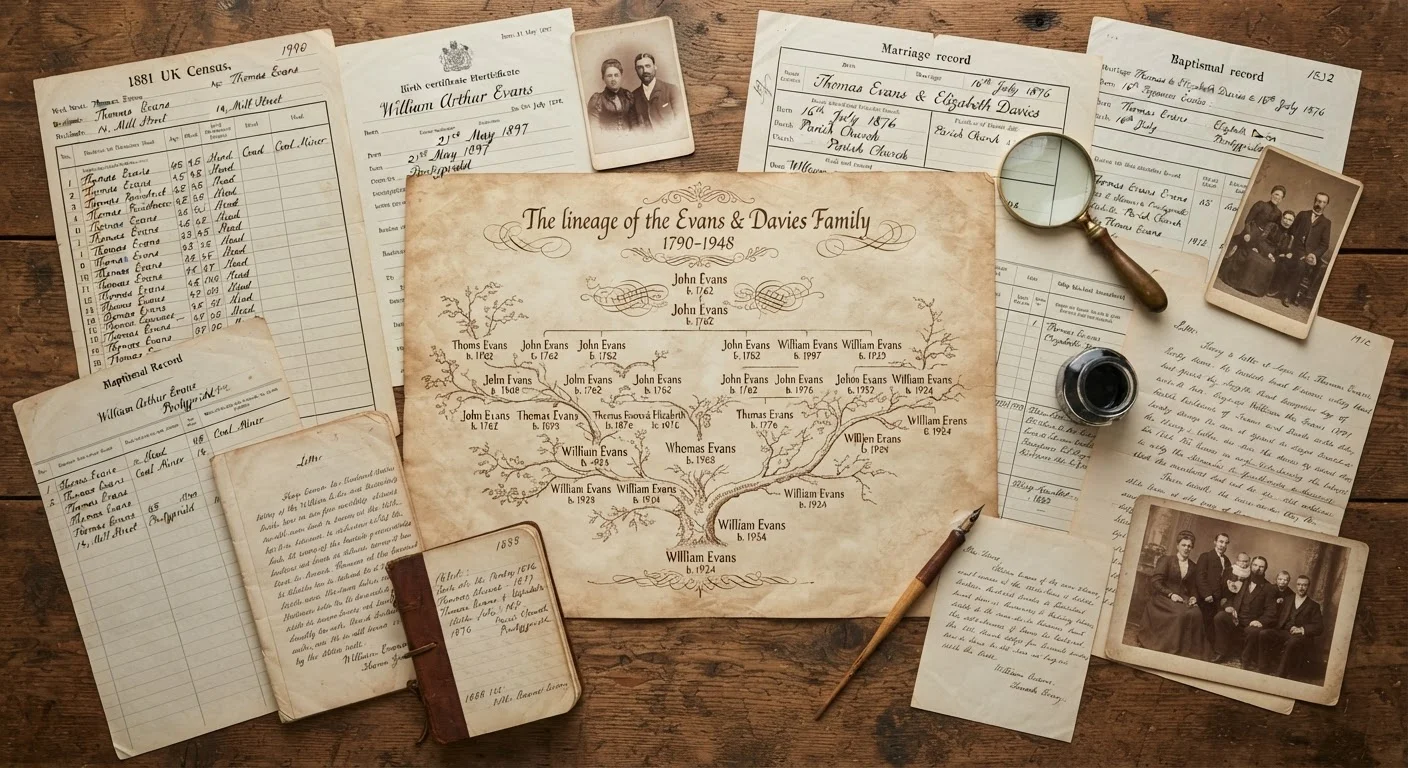
Photo: searchopenrecords editorial
—— In This Article
Why Public Records Are the Bedrock of Ancestry Research
Family stories passed down through generations are a meaningful starting point, but they are rarely reliable on their own. Names get altered, dates shift, and entire branches can disappear from memory within a generation or two. Public records provide the documented, verifiable evidence that either confirms or corrects what families believe they know about themselves.
For beginners, the good news is that the most useful records are often free and accessible through official government archives, digitized library collections, and established genealogical repositories. Understanding which records to seek — and what each one actually contains — is the fastest way to make real progress. See our introduction to historical public records for a broader orientation before diving into specific record types.
| U.S. federal census frequency | Every 10 years since 1790 (U.S. Census Bureau) |
| Census public release rule | 72 years after collection (National Archives and Records Administration) |
| Vital records responsibility | State and county governments (CDC National Center for Health Statistics) |
| Earliest U.S. vital registration (many states) | 1850s–early 1900s (varies by state) (FamilySearch Wiki, state archives) |
| WWI draft registration cards captured | Approximately 24 million men (National Archives and Records Administration) |
| Primary repository for federal records | National Archives and Records Administration (NARA) (nara.gov) |
The Core Record Types and What Each Reveals
Vital Records: Birth, Marriage, and Death Certificates
Vital records are the primary documents genealogists rely on to establish identity and family relationships. A birth certificate typically lists the child's full name, date and place of birth, and parents' names — sometimes including parents' birthplaces and occupations. A marriage certificate confirms two individuals' names, marriage date, county of filing, and often the ages and residences of both parties. A death certificate records the decedent's name, date and cause of death, and frequently names a surviving spouse or informant.
State-level vital records in the U.S. generally begin between the 1850s and early 1900s, varying by state. Earlier records may exist in church registers or county courthouse files. Learn how to use these documents effectively in our guide on vital records as the backbone of genealogy research.
Federal Census Records
The U.S. federal census has been conducted every ten years since 1790. Each decade's schedule collected different data, but from 1880 onward, census records typically list every household member by name, age, relationship to the head of household, birthplace, and parents' birthplaces. The 1940 census — the most recently released to the public under the 72-year privacy rule — is a particularly rich source for mid-20th-century research.
Military Records
Service records, draft registrations, and pension files document men and women who served in the U.S. military. Draft cards from World War I and World War II are especially valuable because they captured millions of civilian men, including physical descriptions and next-of-kin information. Pension files from earlier wars can span dozens of pages, including depositions from widows and neighbors that function almost like biographical sketches.
Land and Probate Records
Deed books at county courthouses track property transfers across generations, helping researchers confirm family relationships and migration patterns. Probate records — wills, inventories, and estate settlements — are equally informative, frequently naming heirs, creditors, and witnesses who turn out to be relatives. These records often predate formal vital registration and can extend family lines back into the 18th century.
For a systematic overview of how these and other document types work together, see the major types of genealogy records explained.
Supplementary Records That Fill Critical Gaps
No single record type tells the whole story. Researchers who rely only on vital records and census data will encounter gaps — families that moved frequently, individuals who died young, or ancestors who immigrated before American record-keeping began. Several supplementary record types routinely bridge these gaps.
- Naturalization records document the process of becoming a U.S. citizen and often include the immigrant's country of origin, port of arrival, and physical description.
- Passenger manifests (ship and later airplane arrival lists) identify passengers by name, age, nationality, and destination, and may name a relative they were traveling to join.
- City directories were published annually in many towns before the 20th century and list residents by name, occupation, and street address — useful for locating people between census years.
- Obituaries frequently name surviving family members, mention birthplace, list church affiliation, and describe migration history in a single paragraph. Obituaries as a genealogy tool deserve serious attention for exactly this reason.
When standard databases come up short, lesser-known repositories like courthouse collections and ethnic society archives often hold the documents others miss. Similarly, overlooked sources like church registers and land grant files can reveal entire branches that vital records alone would never surface.
Keep in mind that family legends and online trees are often contradicted by the records themselves. Always trace a claim back to a primary document before treating it as established fact.

Genealogy Search Editorial Team
Genealogy Search Editorial Team is the collective byline for our editorial team and contributor network. Articles published under this byline or an editorial pen name are researched, written, and reviewed according to our editorial standards for clarity, consistency, and independence before publication.
View author profile