
What a VIN Actually Tells You About Ownership History
A VIN is more than a serial number. Learn what ownership and title data it unlocks through public records systems.
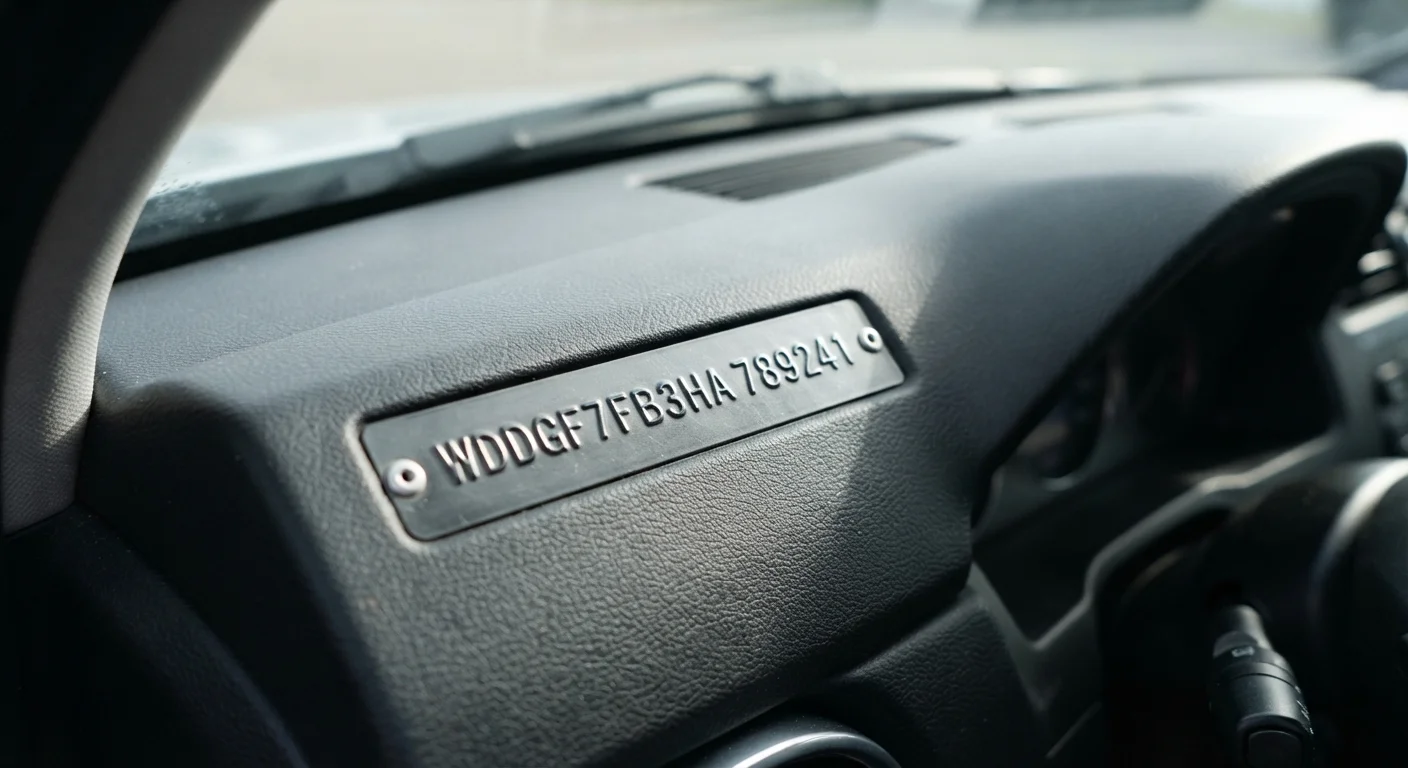
Photo: searchopenrecords editorial
—— In This Article
Key Takeaways
- A VIN links to title records filed by state DMV agencies each time a vehicle is sold or transferred.
- Ownership history from a VIN reflects registered owners, not necessarily every person who drove or possessed the vehicle.
- Title brands — such as salvage or rebuilt — are attached to the VIN and follow the car across state lines.
- Gaps in ownership history can result from incomplete state data reporting, not just concealment.
- A VIN search draws on public records; it cannot reveal private sales that were never formally titled.
How a VIN Becomes a Public Record Anchor
A VIN is assigned at the factory before a vehicle ever reaches a dealership. From that point forward, it functions as the permanent identifier that state agencies, insurers, and inspection programs use to log events against a specific vehicle — regardless of who owns it or where it travels. Think of it as a durable thread running through every official transaction the vehicle is ever part of.
When a vehicle is sold, the seller and buyer complete a title transfer through their state DMV. The agency records the new ownership against the VIN, stamps or updates the physical title document, and files the transaction. That entry becomes part of the public record. Repeat this process across multiple sales in multiple states and you build an ownership chain indexed by a single 17-character code. To understand how each segment of that code is structured, see how a VIN is decoded.
What Ownership Records Tied to a VIN Actually Show
When you run a VIN search, the ownership data returned reflects what state DMV agencies have formally documented and shared with national databases. In practice, that includes:
- Number of ownership transfers: How many times the title has changed hands, though not always the names of past owners due to privacy protections under the Driver's Privacy Protection Act (DPPA).
- States where the vehicle was titled or registered: Useful for spotting multi-state histories that might explain why records look inconsistent.
- Title brands: Permanent designations — salvage, rebuilt, flood, lemon law buyback — recorded on the title and attached to the VIN. These follow the vehicle regardless of state lines.
- Lien records: Some states report lien activity tied to a VIN, which can indicate outstanding loans at the time of transfer.
What ownership history cannot show you is who physically possessed or drove the vehicle between formal title events. Private transfers that were never formally titled, or vehicles held in fleet or rental pools without individual registration updates, may appear as single ownership periods even when the car changed hands repeatedly. Understanding why gaps in ownership records appear is essential before drawing conclusions from a report.
Privacy Law Limits Name Disclosure
Under the federal Driver's Privacy Protection Act (DPPA), personal information held by state DMVs — including past owners' names and addresses — is protected from general public disclosure. VIN-based ownership reports show transfer counts and title events, not individual identities. This is by design, not a data gap.
Title Brands: The Permanent Flags That Follow a VIN
Of all the data tied to a VIN, title brands carry some of the greatest practical weight. A brand is applied to a vehicle's title when a significant, defined event occurs — typically an insurance total-loss declaration, major flood damage, or a manufacturer buyback under a state lemon law. Once stamped, that brand travels with the VIN indefinitely.
This matters because vehicles are sometimes retitled in states with different branding thresholds — a practice historically referred to as title washing. While federal and state-level reforms have reduced the effectiveness of this tactic, a VIN search that aggregates data across multiple state DMV records can surface brands that a single-state title document might not reflect. The public record trail behind a vehicle title explains how these multi-state records connect.
Before any ownership transfer, confirming that a VIN carries no undisclosed brands is a foundational due-diligence step. See the checklist for verifying a VIN before a transfer for a structured approach.
Realistic Expectations: Limits of VIN-Based Ownership Data
A VIN search is a powerful starting point, but it reflects the completeness of underlying public records — which vary meaningfully by state and era. Some states have historically reported title data to national systems inconsistently; older transactions predating electronic records may simply not appear. A VIN history showing two owners does not guarantee the vehicle only had two owners; it guarantees that only two ownership events were formally reported and digitized.
Similarly, a VIN cannot tell you about the quality of ownership — whether a vehicle was maintained carefully, driven conservatively, or stored outdoors. That context comes from service records, inspection histories, and odometer disclosures, some of which appear in a full vehicle history report. For a complete picture of what that report assembles, the breakdown of vehicle history report contents is a useful companion read.
Common misunderstandings about VIN data — including the belief that a clean VIN history guarantees a clean vehicle — are addressed in common VIN misconceptions. Grounding your expectations in what the records actually represent is the most reliable way to use a VIN search effectively.
50+
State DMV systems contributing title data
Each U.S. state operates its own titling system; national VIN databases aggregate records across all jurisdictions, though reporting completeness varies by state and time period.
17
Characters in a standardized VIN
NHTSA standardized the 17-character VIN format for all road vehicles manufactured for sale in the United States from 1981 onward.
~1 in 4
Used vehicles with reported title issues
Industry estimates have suggested that a notable share of used vehicles carry some form of reported title event; exact figures vary by data source and vehicle age.
Frequently Asked Questions

Vin Search Editorial Team
VIN Search Editorial Team is the collective byline for our editorial team and contributor network. Articles published under this byline or an editorial pen name are researched, written, and reviewed according to our editorial standards for clarity, consistency, and independence before publication.
View author profile